

By: Miss Suzie Murphy, Consultant Plastic Surgeon, iQonic Aesthetics
A facelift repositions the deeper structural layer of the face, along with the skin above it, to address descent in the mid-face, jawline and jowls. The change is one of position and definition rather than surface quality.
It is worth being clear about what it does not do. A facelift does not improve skin texture, pigmentation, fine lines around the mouth, or hollowing at the temples and cheeks. Those concerns respond to different treatments, and it is common for a treatment plan to combine surgery with skin or volume work in a planned sequence.
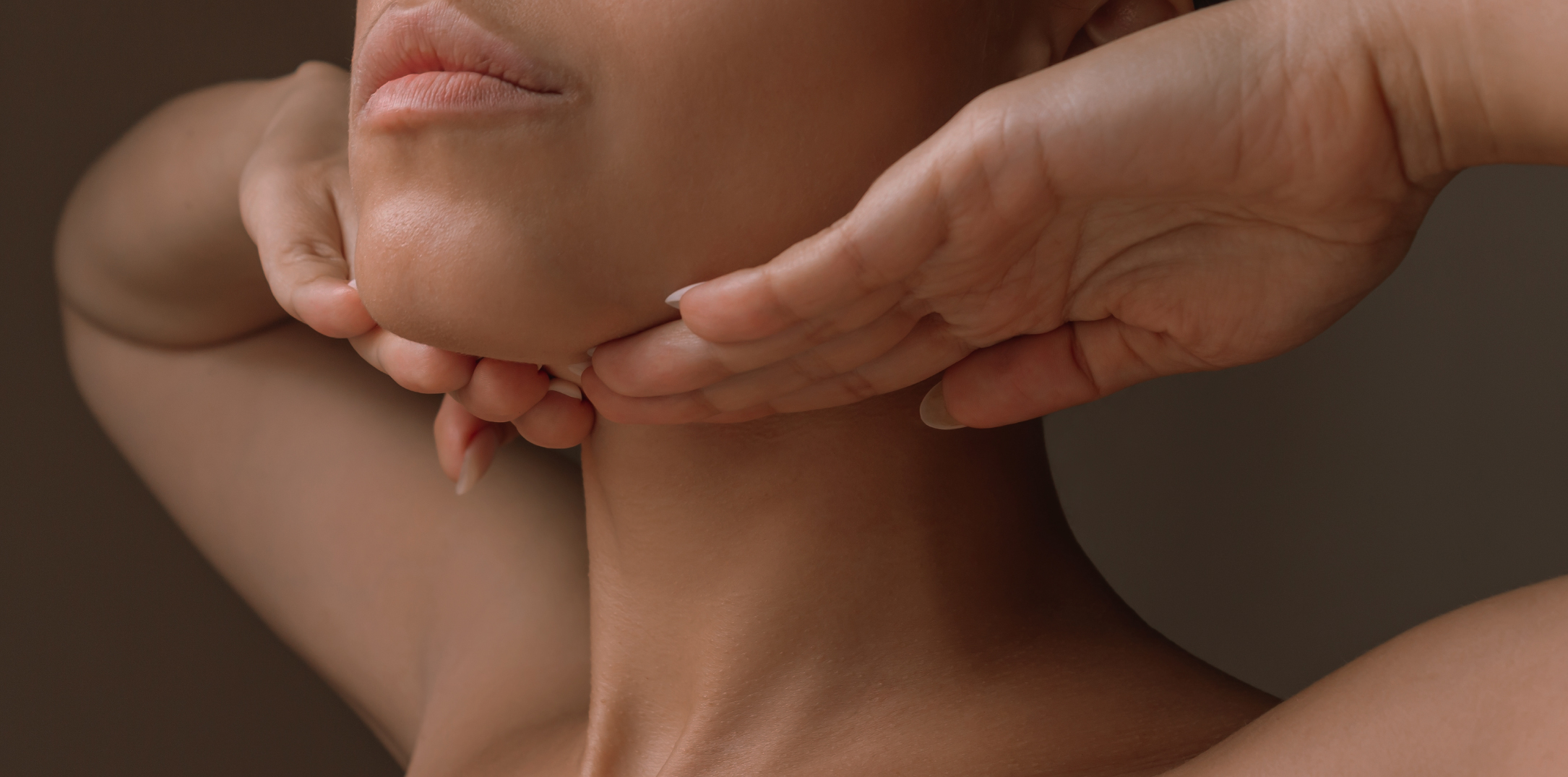
A facelift addresses the lower two-thirds of the face. A necklift addresses laxity beneath the jawline, including the platysma muscle bands that become visible as the neck ages, and any excess skin between the chin and the neck.
In practice, the two are frequently performed together, because a lifted face above an untreated neck rarely looks balanced. When patients tell me their main concern is the jawline, the neck is usually doing more of the work than they realise. Assessment tells us which of the two is driving the appearance you want to change.
Age is not the criterion. Tissue laxity is.
I see patients in their late forties for whom surgery is entirely reasonable, and patients in their sixties for whom I would recommend waiting or considering something else. What matters is whether there is enough descent for a lift to make a meaningful difference, and whether the change you want is one that repositioning tissue can deliver.
If you come to see me and I think you are too early, I will tell you. There is no benefit to either of us in operating before the point at which surgery is the right answer.
It is a reasonable concern, and it is one of the most common concerns patients raise with me.
The appearance people are describing when they say "done" usually comes from tension being placed on the skin rather than on the deeper layer. When the structural layer carries the lift, the skin is redraped rather than pulled, and the result tends to read as rested rather than altered.
That said, individual healing varies, and no surgeon can promise you a particular appearance. What I can do is explain what I expect to achieve in your case and be honest where your goals and your anatomy do not fully match.
Sometimes, and I will say so if that is the case. Energy-based and thread-based treatments can improve mild laxity and skin quality, and I offer non-surgical work as well as surgery.
Where non-surgical treatment falls short is established jowling and significant neck laxity. If you have those and are hoping to avoid surgery, a series of non-surgical treatments will usually cost a considerable amount and still leave you where you started. I would rather have that conversation at the beginning.
There are several approaches, including SMAS techniques and deep plane techniques, and they differ in how the deeper layer is handled. The right one depends on your anatomy, the areas you want addressed, your skin quality and your medical history.
I would be cautious about any source that names a single technique as universally superior. Technique is a clinical decision made after examining you, not a brand.
A full facelift and necklift is performed under general anaesthetic. An overnight stay is typical, so that you are monitored during the first night and reviewed before you go home.
More limited procedures may be carried out differently. The specific plan, including which facility your surgery takes place at, is confirmed with you before you commit to anything.
Incisions are placed around the ear, following its natural contours, extending into the hairline above and behind. When a necklift is included, there is usually a small incision beneath the chin.
Scars are permanent. They are placed where they sit in natural shadow and creases, and they typically fade over twelve to eighteen months, but they do not disappear. How a scar matures depends partly on technique and partly on how your skin heals, which is not something anyone can control entirely. If you have a history of poor scarring, tell me at consultation.
A facelift with a necklift commonly takes somewhere between three and five hours, depending on what is being addressed and whether anything is being combined with it. Your own estimate is given to you as part of your surgical plan.
Swelling and bruising peak in the first three to five days and then begin to settle. You will have dressings initially, and sutures are removed in stages over the first one to two weeks.
Most patients feel tight rather than sharply painful. The tightness is expected and eases as swelling reduces. You will need someone with you for the first twenty-four to forty-eight hours at home.
Patients doing desk-based or remote work often return at around two weeks, though visible bruising may still be present and is usually manageable with makeup by that point.
If your work is public-facing, or physically demanding, plan for three weeks or more. I would suggest booking the time honestly rather than optimistically. Patients who rush back are the ones who find recovery hardest.
Gentle walking can start within days. Light activity is usually reintroduced from around three weeks. Strenuous exercise, heavy lifting and anything that raises blood pressure significantly is generally deferred until around six weeks, and we confirm this at your follow-up rather than on a fixed calendar.
Around eighty per cent of swelling has usually settled by six weeks, which is when most patients feel comfortable socially. Residual swelling continues to resolve for several months, and the final result is generally assessed at around twelve months.
Numbness around the ears and cheeks is normal in the early weeks and resolves gradually as nerves recover. It can take several months, and occasionally longer.
This depends on the length of the flight and your individual recovery, and it should be agreed with your surgeon rather than assumed. As a general guide, short flights are often possible from around two weeks, with longer-haul travel deferred further. We have written separately about returning to flying, exercise and daily activities after a facelift.
Facelift and necklift surgery carries risks, and they are discussed with you in detail before you consent.
They include bleeding beneath the skin requiring further intervention, infection, poor or thickened scarring, asymmetry, changes in skin sensation, hair loss around the incisions, delayed healing, and the general risks of a general anaesthetic. Temporary weakness of a facial nerve branch is uncommon, and permanent injury is rare, but neither is impossible.
Smoking, diabetes and certain medications increase the risk of healing problems. These are assessed as part of deciding whether surgery is appropriate for you at all.
A facelift repositions tissue at a point in time. It does not stop ageing, and your face will continue to change afterwards as everyone’s does.
Most patients find the benefit is long-lasting and that they continue to look different from how they would have looked without surgery. How long any individual feels the result holds varies considerably with genetics, skin quality, sun exposure, weight change and lifestyle. Anyone quoting you a fixed number of years is guessing.
Some patients choose a further procedure years later. Many do not. It is not a maintenance commitment, and you should not go into a first facelift assuming a second is scheduled.
This is a fair question to ask any surgeon before you book. At iQonic, follow-up is structured rather than left to you to chase, with reviews built into the year after surgery. If something is not healing as expected, I would rather see you early than have you wait and worry.
Revision surgery is a possibility in a minority of cases, and where it is appropriate, how it is handled is discussed openly.
Facelift surgery at iQonic Aesthetics starts from £12,000. Your own quotation depends on what is being addressed, whether a necklift or other procedures are combined, and the facility and anaesthetic involved. You receive a written quotation before you make any decision, with no obligation attached to it.
Financing is available if it is useful to you, and the terms are set out in full rather than summarised.
Do check. It costs you nothing and it is the most useful ten minutes you can spend.
Look for a surgeon on the GMC Specialist Register in plastic surgery, which you can search directly on the GMC website. Fellowship of the Royal College of Surgeons in plastic surgery is indicated by the postnominal FRCS (Plast). Membership of BAPRAS or BAAPS indicates engagement with the specialty’s professional bodies.
For my own part, I trained on the Pan Thames surgical rotation with further rotations in the East of England, worked as a consultant plastic surgeon in Cambridge performing complex head and neck reconstruction, and went on to a consultant post at the St Andrew’s Centre for Plastic Surgery and Burns. I hold FRCS (Plast) and I am a member of BAPRAS. All of that is verifiable independently, and it should be.
We discuss what is bothering you and what you are hoping for, take a full medical history, and examine your face and neck. I will tell you what I think is achievable, what I think is not, and whether I believe surgery is the right route for you at this stage.
You will also have access to 3D visualisation and to the Adoreal patient portal, where your consultation notes and records are yours to review at any time. You can read more about how the process works on our treatment journey page.
There is a reflection period of at least two weeks between consultation and surgery, and nobody at iQonic will apply pressure to that timeline. If you want a second consultation, or a second opinion elsewhere, that is a sensible thing to do rather than an inconvenience.
If you are researching rather than ready, that is a perfectly reasonable place to be, and the pages below are the ones I would point you to next.
Read more about facelift surgery at iQonic, including what the procedure involves and what is included in aftercare. If your main concern sits higher in the face, eyelid surgery and forehead lift surgery address different areas and can be discussed alongside a facelift. You can also see patient before-and-after results across our procedures.
When you are ready to talk it through properly, you can book a consultation with me at iQonic Aesthetics.
Miss Suzie Murphy is a Consultant Plastic Surgeon at iQonic Aesthetics, FRCS (Plast), member of BAPRAS. All surgical treatments and procedures carry potential risks and complications, which are discussed in detail during your consultation. The information provided here is for general informational purposes only and should not be taken as medical advice. Outcomes vary depending on individual factors such as anatomy, health and healing, and no specific result can be guaranteed. Always seek the advice of a qualified medical professional before deciding on any treatment. Surgery is available to patients aged 18 and over.