
Recovering well after a breast lift (mastopexy) is just as important as the surgery itself. Knowing what to expect at each stage means you can prepare properly, avoid setbacks, and give your body the right conditions to heal. This guide walks you through breast lift recovery week by week, from the moment you wake up in the recovery room to the point where you can return to the gym, your desk, and everything in between.
Results vary between patients. All surgical procedures carry risks, and we will discuss these fully at your consultation.
What does breast lift recovery feel like in the first few days?
Most people feel tired, tender, and a little swollen in the first 48–72 hours after mastopexy. Your chest will feel tight, and you may notice bruising around the incision lines. That is completely normal. The discomfort is typically well managed with prescribed oral pain relief, and most people describe it as a 4 to 6 out of 10 on the pain scale during the first couple of days, settling to a 2 or 3 by day four or five.
What to expect after surgery
When you come round from general anaesthetic, you will be in the hospital recovery suite with a nurse monitoring your observations. You will have a surgical support bra on, and your breasts will feel firm, elevated, and bound. That sensation is your new shape taking hold.
Before you go home
Before you are discharged, the nursing team will:
- Check your wound dressings and confirm there is no unexpected bleeding
- Review your pain medication and send you home with a prescription
- Confirm your first follow-up appointment date
- Walk you through the dos and don’ts for the first 24 hours
You will need a responsible adult to drive you home and stay with you for the first night. Do not arrange a taxi alone. Plan for someone to be with you for at least the first 48 hours.
Things to arrange before your surgery date
- A reclining chair or extra pillows to sleep at a 30 to 45-degree angle (this reduces swelling)
- Loose-fitting, front-fastening clothing so you never have to pull anything over your head
- Ready-made or easy-to-prepare meals for the first few days
- Any childcare or pet-care cover you need for at least the first week
“The preparation you do before surgery directly shapes how smooth your first week feels. Set your home up as if you are recovering from a minor illness: comfortable, calm, and everything within reach.” — Dr Ali Arnaout
Days one to seven
The first week of breast lift recovery is about rest, observation, and letting your body begin the healing process. Here is what to expect day by day.
Days 1 and 2
You will spend most of these days resting. Swelling and bruising are at their most prominent, and your chest will feel heavy and tight. Keep your arms low and avoid reaching above shoulder height. Take your pain medication as prescribed, even if you feel comfortable, to stay ahead of any discomfort as the anaesthetic clears your system.
Sleep on your back with your upper body elevated, as lying flat increases swelling and puts pressure on the incisions.
Days 3 to 5
Around day three, the initial intensity tends to soften. Swelling begins to stabilise, and you will likely start to feel more like yourself. You can move around the house gently. Short walks to the kitchen or bathroom are encouraged to support circulation and reduce the risk of blood clots.
What to avoid for now
- Lifting anything heavier than a cup of tea
- Bending forward at the waist (kneel instead)
- Any activity that raises your heart rate significantly
- Sleeping on your side or stomach
Watch for any signs that need prompt attention: increasing redness, heat, discharge from the wound, fever above 38°C, or sudden worsening pain. If you notice any of these, contact the iQonic clinical team directly rather than waiting for your scheduled appointment.
Days 6 and 7
By the end of the first week, most people feel well enough to sit at a table, read, watch television, and hold a light conversation without fatigue. Your wound dressings may be reviewed at this stage, and your surgical support bra stays on.
Short gentle walks outside are fine if you feel up to it. Fresh air and light movement support your recovery, provided you keep the pace easy and avoid anything that jostles the chest.
Weeks two to four
This is the phase where recovery becomes more about patience than pain management. Your discomfort will have reduced significantly, but your internal tissues are still in active repair. Pushing too hard now can contribute to complications or compromise your results.
Week two
You will likely feel well enough to manage light daily activities: cooking simple meals, light housework (nothing involving lifting or stretching), and sitting at a desk for short periods. If your job is entirely desk-based and your commute is straightforward, you may feel ready to return at this point.
Your breast shape will still look quite swollen and the position may appear higher than expected. This is normal. The tissues are still settling, and the final result will not be visible for several months.
Weeks three and four
Bruising should be largely resolved by week three. Swelling continues to reduce, though you may notice one side settling faster than the other. Asymmetry at this stage is common and usually settles.
You can begin sleeping more comfortably on your side from around week three, provided this does not cause pain. Continue wearing your support bra around the clock unless your surgeon advises otherwise.
Light stretching (gentle shoulder rolls, careful neck stretches) is generally acceptable. Avoid any exercise that engages the chest muscles, including yoga poses with weight through the arms, at this stage.
Scar healing and garments
Your incision lines
The pattern and placement of your mastopexy scars depend on the technique used. The most common approaches leave scars around the areola (periareolar), vertically down from the areola to the breast fold (lollipop), or in a full anchor pattern that includes the fold itself. Your surgeon will have discussed which approach suits your anatomy during your consultation.
In the first weeks, your scars will look red and raised. This is normal. Scar tissue goes through an active remodelling phase for 12–18 months, and the final appearance at that point is significantly softer, flatter, and paler than what you see at six weeks.
What helps scars heal well
- Keep them out of the sun. UV exposure in the first 12 months can darken scars permanently. If you are going somewhere sunny, cover them with clothing or, once the wounds are healed, a high-SPF sunscreen.
- Silicone-based scar products. From around six weeks, once the wounds are fully closed, silicone sheets or silicone gel are well supported by clinical evidence for improving scar appearance. Your clinical team will advise you on the right product for your incisions.
- Massage. Gentle scar massage (when advised by your clinical team, typically from around 6–8 weeks) helps break down scar tissue and improve texture.
- No smoking. Smoking significantly impairs wound healing and scar quality. If you smoke, stopping before and after surgery is strongly recommended.
Your support garment protocol
As a general principle, you should expect to wear a firm surgical support bra around the clock (removing only to shower) for the first several weeks. This supports the breast tissue while internal stitches heal, reduces swelling, and helps your new shape settle. After that phase, your surgeon will advise on transitioning to a soft, non-underwired sports bra for a further period. Underwired bras are typically reintroduced only when the incisions are fully healed and your surgeon has confirmed the skin has adequate sensitivity and integrity.
Returning to work and exercise
Return to work
Your timeline for returning to work depends heavily on what your job involves. Many people with desk-based jobs return at around two weeks, while physically demanding roles usually need four to six weeks or more.
Your surgeon will confirm your individual readiness at your follow-up appointments. Do not return to work before your clinical team has reviewed your wounds and given you the go-ahead.
Exercise
Returning to exercise follows a staged approach.
- Weeks 1 to 2: Rest only. Short, gentle walks are fine from day three onwards.
- Weeks 3 to 4: Light walking, gentle stretching of the lower body. Nothing that raises your heart rate significantly or engages the chest.
- Weeks 4 to 6: Light cardiovascular activity (flat walking, slow cycling on a static bike) if you feel comfortable and your surgeon agrees.
- 6 weeks onwards: Most people can begin to reintroduce more structured exercise at this stage, subject to a surgical review. Upper body weights, chest press, and contact sports should wait until at least 12 weeks and only after explicit sign-off.
- 12 weeks onwards: Full return to strenuous exercise for most people, depending on healing.
If any exercise causes pain, pulling, or heaviness in the chest, stop immediately and contact your clinical team.
Follow-up appointments
Your aftercare at iQonic Aesthetics is structured around a clear schedule of follow-up touchpoints. These appointments are part of your care, and attending them means any concerns are caught and addressed early.
Your appointments, records, and recovery notes are all accessible through the Adoreal app between visits. As a general guide, you will typically attend:
- 24–48 hours post-surgery: First wound check, usually with a specialist nurse
- 1 week: Wound review, dressing change if needed, first opportunity to ask questions as the initial recovery settles
- 2–3 weeks: Progress review, assessment of swelling, scar line check
- 6 weeks: Surgical review with your consultant, formal sign-off on return to exercise, scar management advice initiated
- 3 months: Shape assessment, scar progress review
- 12 months: Final result review
If you have concerns between appointments, the iQonic team is contactable. You should never feel that you have to wait until your next scheduled appointment if something does not feel right.
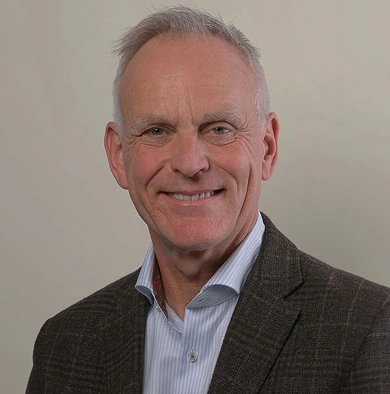
Mr Adrian Richards, FRCS (Plast), provides clinical oversight and peer review of patient outcomes at iQonic Aesthetics, ensuring care standards are maintained at every stage of your recovery.
When to call the clinic
Contact iQonic Aesthetics promptly if you experience any of the symptoms below.
- Fever above 38°C
- Sudden increase in pain not relieved by your prescribed medication
- Significant new swelling on one side only
- Discharge from the wound that is cloudy, green, or has an odour
- A hard, expanding lump under the skin (can indicate a haematoma)
- Numbness or changes in sensation that feel sudden or worsening rather than gradually improving
Do not search online for reassurance at 2am. Call the clinic. If you have chest pain, sudden breathlessness or a painful swollen calf, call 999.
Frequently asked questions
How long does breast lift recovery take in total?
You will typically feel back to your normal daily routine within two to four weeks. Full internal healing, including scar maturation, takes 12–18 months, though this is not felt as downtime.
Will I be in a lot of pain after my breast lift?
Tightness, tenderness, and fatigue are what you are most likely to feel rather than sharp pain, and prescribed pain relief manages this well through the first week.
When will I see my final results?
Your shape will be largely apparent by three months, though subtle changes continue for up to a year as residual swelling resolves and scar tissue softens.
Can I fly after a mastopexy?
Most surgeons advise against flying for at least two weeks after surgery due to the risk of deep vein thrombosis. Discuss your travel plans with your surgeon well in advance.
Does a breast lift affect breastfeeding?
Mastopexy can affect milk ducts and nipple sensation. If you are planning a future pregnancy, discuss this fully with your surgeon before proceeding. It does not necessarily prevent breastfeeding, but the risk should be understood.
Cosmetic surgery is a serious commitment. Please consider it carefully.
Ready to take the next step? Book a breast lift consultation with Mr Adrian Richards or Dr Ali Arnaout at 15 Harley Street, London.
This article is general informationIt does not replace a consultation. Suitability, risks and recovery are specific to you and are discussed with your surgeon. For full, referenced information see our breast reduction and lift treatments page.