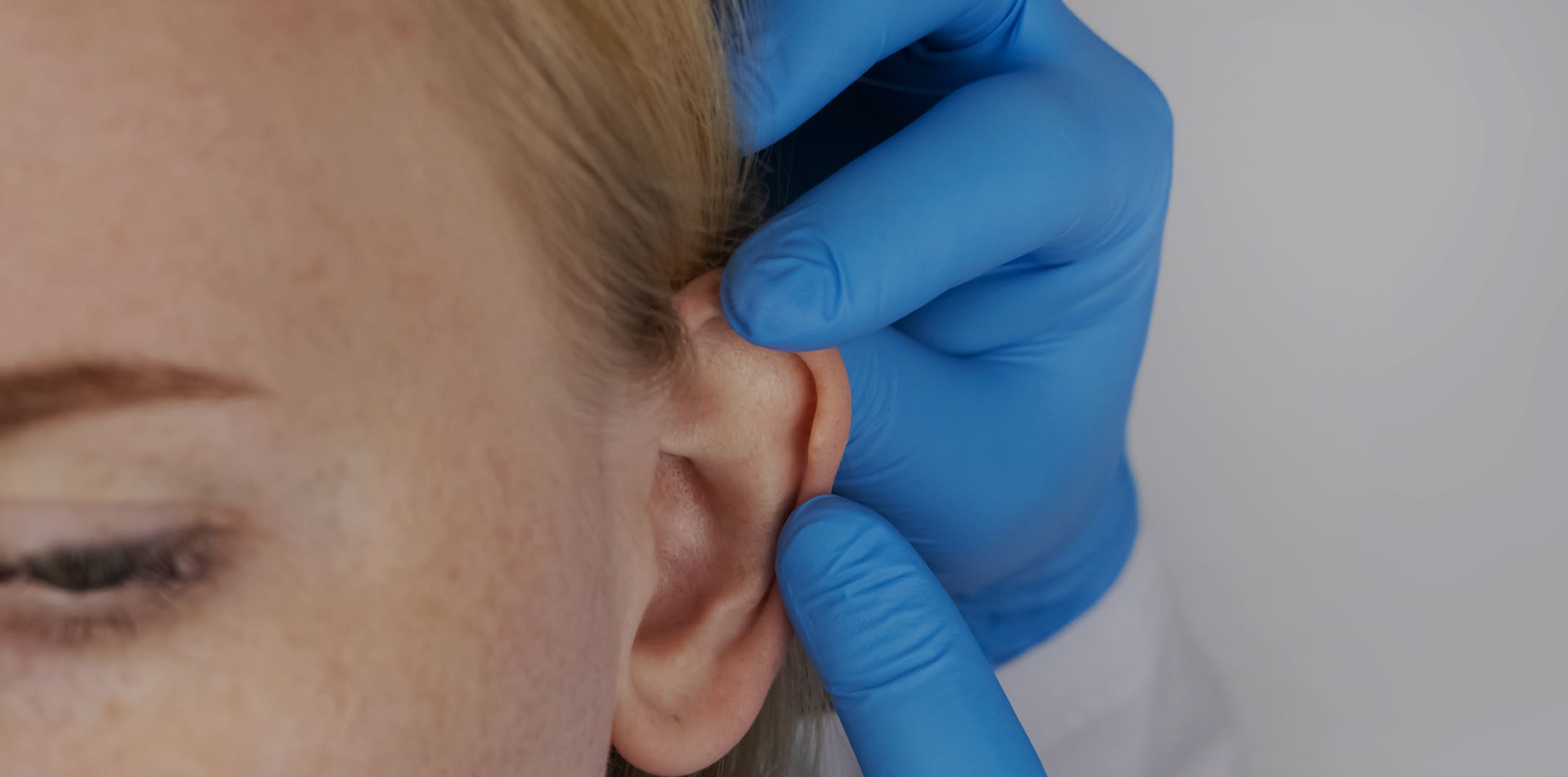
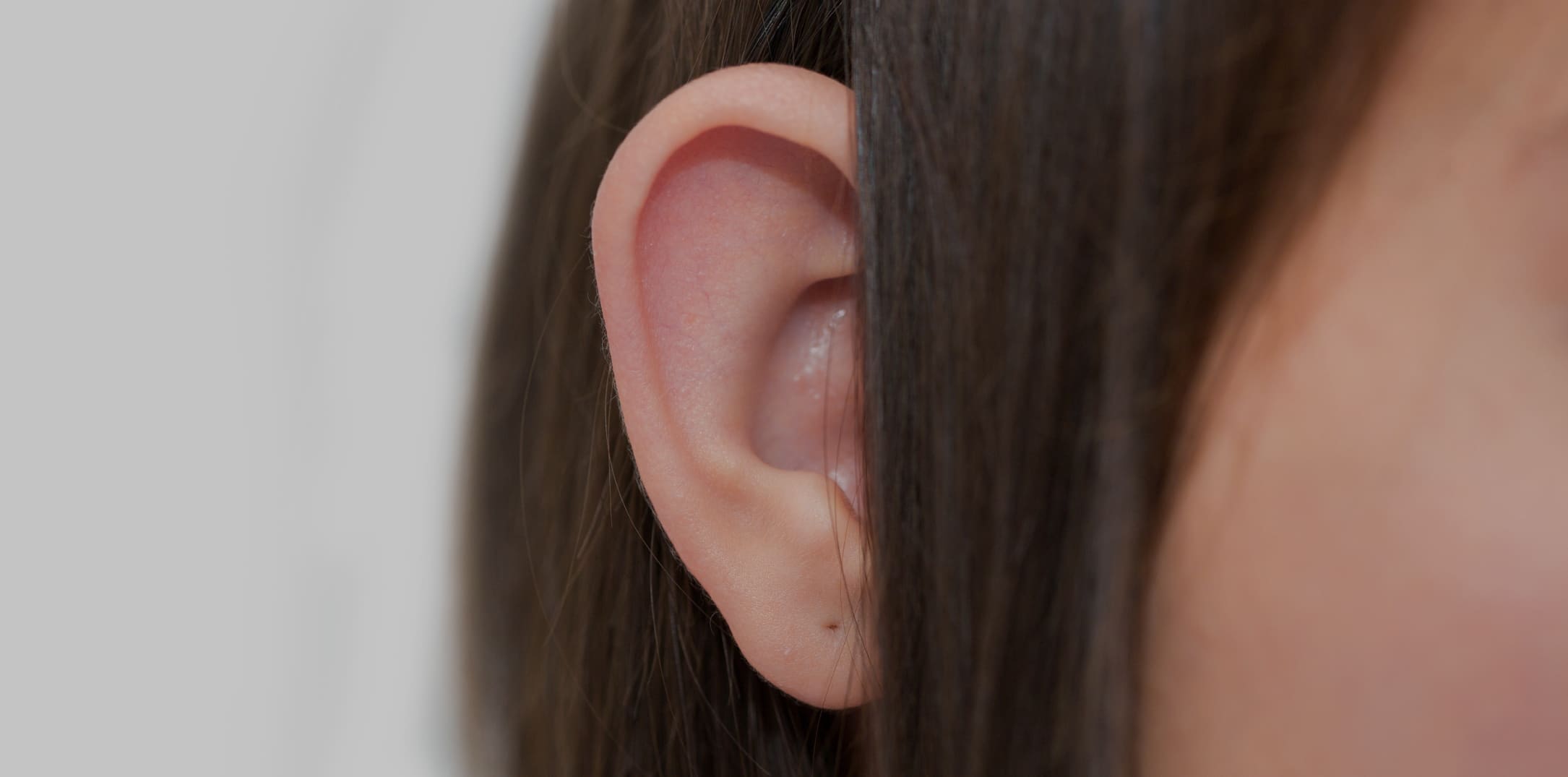
Whether you’re considering ear surgery (otoplasty) to correct protruding ears, address deformities, or enhance symmetry, it’s important to understand the different techniques available. At iQonic, we believe that an informed decision is a better decision, which is why we’ve put together this short guide to the main techniques used in ear surgery.
Traditional otoplasty
Traditional otoplasty is one of the most common techniques used to correct protruding ears or reshape the ear structure. This method involves making an incision behind the ear, where the natural fold meets the head. The surgeon then reshapes the ear cartilage, either by removing excess tissue or repositioning it closer to the head. The incision is carefully closed with sutures, which are hidden within the natural creases of the ear, so the scar is usually well hidden.
Incisionless otoplasty
Incisionless otoplasty is a minimally invasive technique that does not require traditional incisions. Instead, this method uses needle scoring or sutures to reshape and reposition the ear cartilage without making large cuts in the skin. By placing the sutures strategically, the surgeon can create folds in the cartilage, pulling the ear closer to the head. This technique is particularly appealing for those looking for a less invasive option with a shorter recovery, although it is not suitable for every ear shape.
Ear reduction surgery
Ear reduction surgery is used to reduce the size of overly large ears, a condition known as macrotia. This procedure involves removing excess skin and cartilage to reshape and resize the ears, bringing them into better proportion with the rest of the face. The incisions are made in inconspicuous locations, such as behind the ear or within the ear’s natural folds, to minimise visible scarring.
Which technique is right for you?
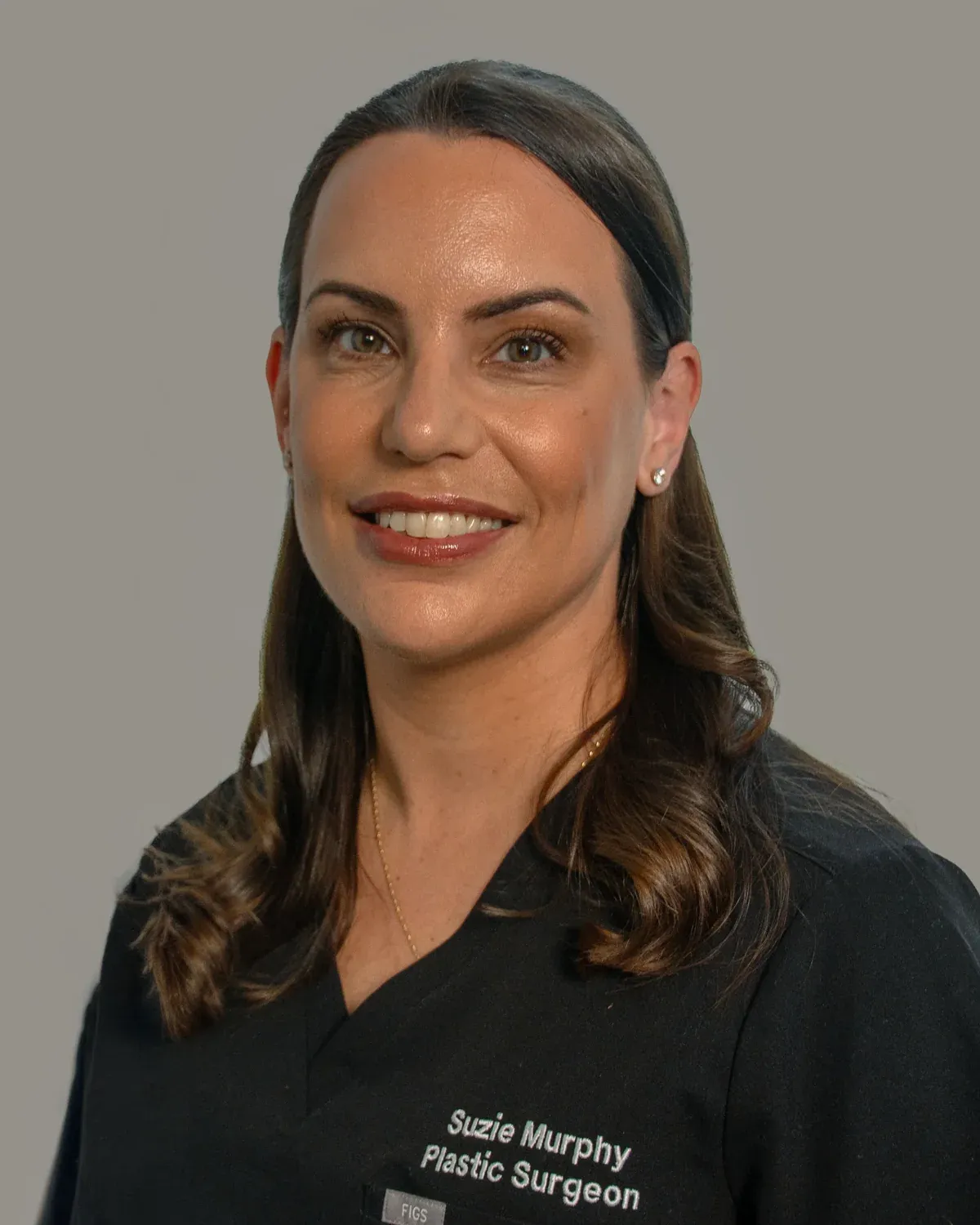
Choosing the right technique for ear surgery depends on several factors, including your specific concerns, the desired outcome, and your overall health. During your consultation at iQonic, consultant plastic surgeon Miss Suzie Murphy will assess your individual needs and recommend the most suitable technique for you.
If you’re considering ear surgery, contact us at iQonic to schedule a consultation. Our team is here to guide you through every step of the process, ensuring you feel confident and supported on your journey to a more balanced and harmonious appearance.
This article is general informationIt does not replace a consultation. Suitability, risks and recovery are specific to you and are discussed with your surgeon. For full, referenced information see our ear surgery (pinnaplasty) treatment page.