
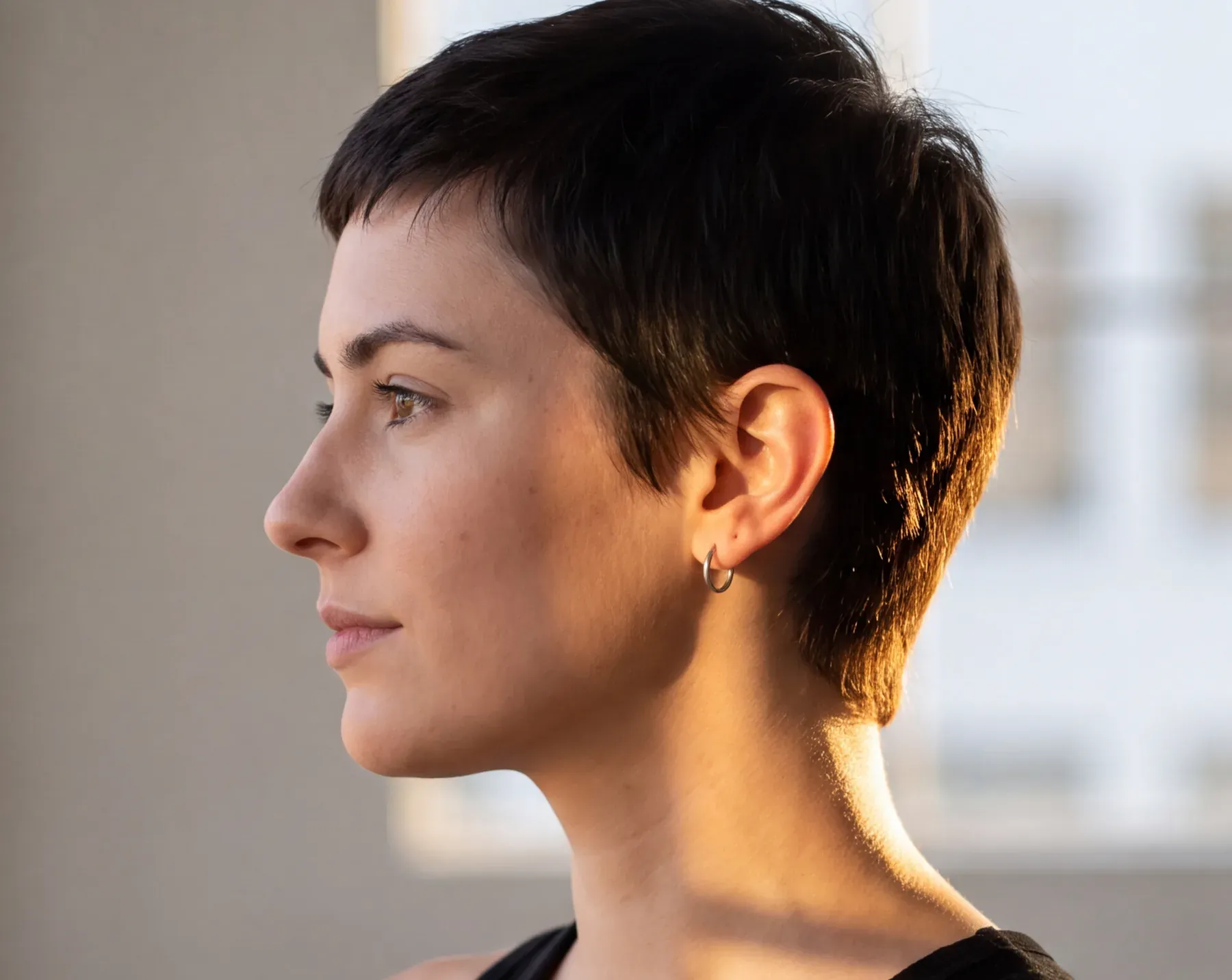
What is ear surgery (otoplasty)?
Otoplasty is an operation to reshape the outer ear. Most often it is used to set prominent ears closer to the side of the head, which is why it is also called ear pinning or pinnaplasty. It can also correct an uneven or unusual ear shape, and related procedures can repair a split or stretched earlobe.
Prominent ears are usually present from birth. The two common causes are an underdeveloped fold in the cartilage (the antihelical fold, the curved ridge just inside the rim of the ear) and a deep or large bowl of cartilage around the ear canal (the concha). Many people have a combination of both, and one ear is often more prominent than the other.
Surgery works by reshaping and securing the cartilage. Through an incision in the crease behind the ear, the surgeon creates or strengthens the antihelical fold, reduces or sets back the conchal bowl, and sometimes repositions the earlobe. Permanent stitches hold the new shape while the tissues heal.
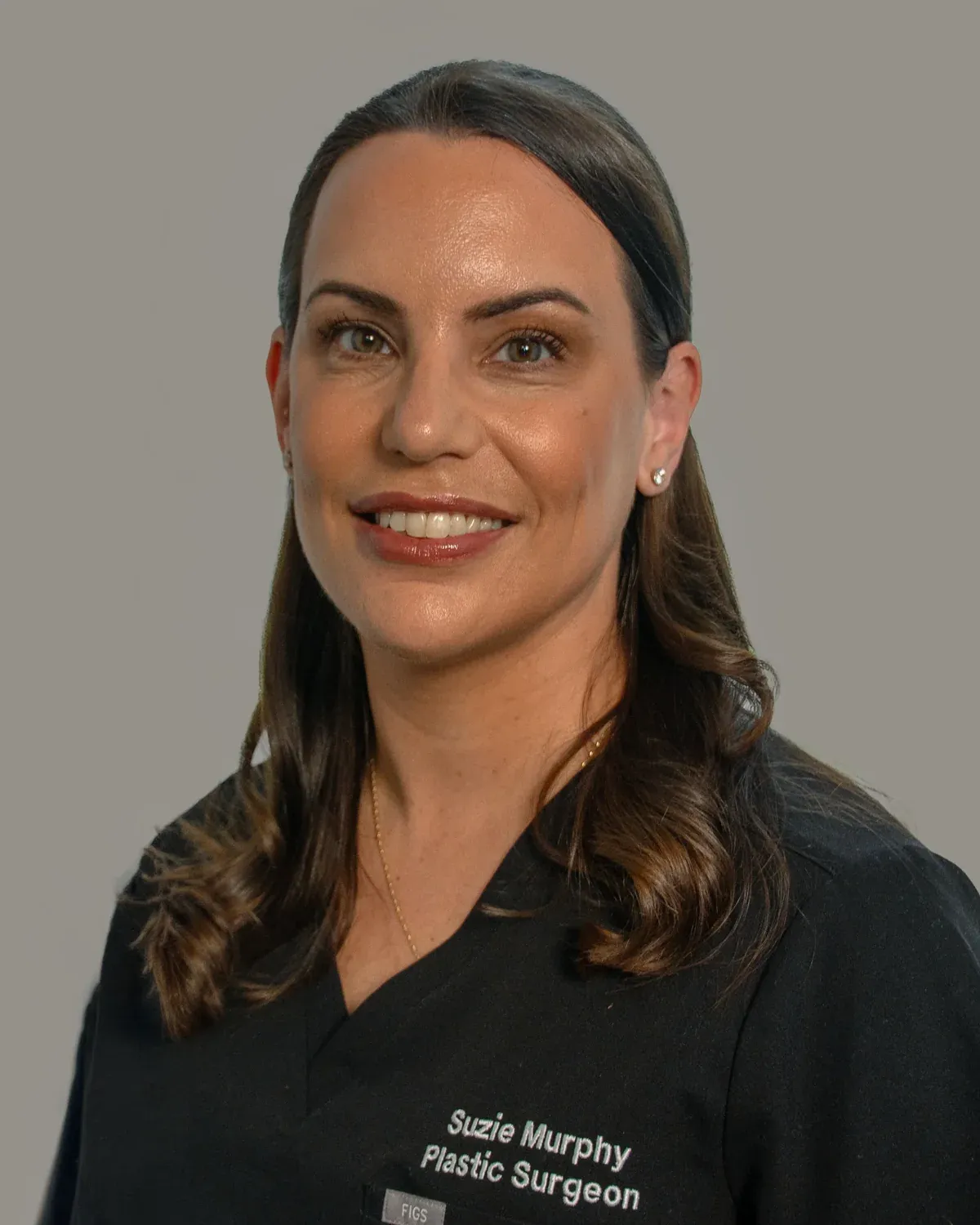
At iQonic, otoplasty is performed by Miss Suzie Murphy, a consultant plastic surgeon and BAPRAS member who holds the FRCS (Plast). Consultations with Miss Murphy take place at 15 Harley Street, London.
Who is it suitable for?
Otoplasty suits people whose ears stick out, are noticeably asymmetric or have an unusual shape that bothers them, and who are in good general health with realistic expectations. Adults can have otoplasty at any age once the ear is fully grown.
You may be a candidate if:
- your ears stand out from the side of your head more than you would like;
- one ear is more prominent than the other;
- the ear lacks a natural fold, or the upper part of the ear folds forward;
- you have had previous ear surgery and the prominence has partly returned;
- your earlobe is split, torn or stretched (see earlobe repair below).
Adults at iQonic. Cosmetic surgery at iQonic, including otoplasty, is for adults aged 18 and over. As with all cosmetic surgery, there is a reflection period of at least 14 days between your first consultation and consent, with further consultations available whenever you want them, so that you have time to think it over. See how the process works.
Children and the NHS
Prominent ears are commonly corrected in childhood. The NHS advises that ear surgery is not suitable for children under 5, because the cartilage is too soft to hold stitches. For babies, ear splints or moulding devices applied in the first months of life (ideally before 6 months) can correct the shape without surgery.
Ear correction may be available on the NHS for children. The Royal College of Surgeons commissioning guide recommends that NHS pinnaplasty is offered to children aged over 5 and under 18 who have significant psychological distress, and that it is the child, not the parent, who wants the operation. The same guide advises that NHS surgery for prominent ears should not be offered to adults over 18. Local NHS funding policies vary, so the first step for a child is a conversation with your GP. iQonic does not offer otoplasty for children.
Suitability for surgery is always decided at a face-to-face consultation with the surgeon who would operate.
Types of ear surgery
There is no single otoplasty technique. Most surgeons combine methods to suit the ear in front of them. Your surgeon will explain which parts of the ear need correcting and how.
Suture (cartilage-sparing) otoplasty
Permanent stitches are placed through the back of the cartilage to create or strengthen the antihelical fold (often called Mustardé sutures) and to set the conchal bowl back towards the head (concha-mastoid or Furnas sutures). The cartilage is not cut, which keeps the fold smooth.
Cartilage-scoring or cutting otoplasty
The front or back surface of the cartilage is lightly scored or thinned so that it bends more easily into a new fold, sometimes combined with sutures. It is useful for thick, stiff cartilage, which is more common in adults.
Conchal reduction
Where the bowl of the ear is large, a crescent of cartilage can be removed through the incision behind the ear so the ear sits closer to the head.
Earlobe repositioning or reduction
A prominent or large earlobe can be set back or reduced at the same operation so that it matches the corrected upper ear.
Earlobe repair
A split or stretched earlobe, often from earrings or gauges, is repaired under local anaesthetic by removing the lining of the split and stitching the tissue in layers. Re-piercing is usually possible once healed, through a new site next to the scar.
Combined face procedures
Ear surgery can be planned alongside other face procedures where appropriate, such as a facelift, which can itself change earlobe position.
FaceliftWhat happens during surgery
Otoplasty usually takes 1–2 hours for both ears and most patients go home the same day. Adults often have it under local anaesthetic, with or without sedation; general anaesthetic is also an option.
Before the day
Your surgeon examines both ears at consultation, measures how far each stands from the head at the top, middle and lobe, and checks the stiffness of the cartilage. Photographs are taken for your records. You will be asked to stop smoking and nicotine (including vapes and patches) at least 6 weeks before and after surgery, and to stop some medicines and supplements that affect bleeding, only on medical advice.
On the day
- Marking. The planned fold and the skin to be removed behind the ear are marked.
- Anaesthetic. Local anaesthetic is injected around the ear to numb it and reduce bleeding. If you are having sedation or a general anaesthetic, you will meet your anaesthetist first.
- Incision. An incision is made in the crease behind the ear and a strip of skin is usually removed.
- Reshaping. The cartilage is reshaped with sutures, scoring or conchal reduction as planned, and the result is checked against the other ear.
- Closure and dressing. The skin is closed, often with dissolvable stitches. A padded dressing or head bandage is applied to support the new shape.
You will need someone to take you home. If you have had sedation or a general anaesthetic, someone should stay with you for the first night.
Recovery, week by week
Ears are usually sore and swollen for the first few days, then improve steadily. The most important part of recovery is protecting the ears from being bent forward while the cartilage heals, which is why a headband is worn at night for several weeks. Timings below are typical; your surgeon will give you a plan.
When to call. Contact the clinic promptly if you have severe or increasing pain in one ear, swelling that is rapidly getting worse, bleeding through the dressing, redness spreading over the ear, discharge, or a fever. Pain that increases after the first 48 hours can be a sign of a haematoma or infection and needs prompt review. If you have chest pain, sudden breathlessness or a painful swollen calf, call 999.
- Days 1–3
A padded dressing or head bandage protects the ears. Aching, throbbing and a tight feeling are normal and usually controlled with simple painkillers. Sleep with your head raised. Pain that is severe or much worse on one side should be reported straight away.
- Days 5–10
The dressing is removed and the ears are checked. The ears will look swollen and may be bruised. Any non-dissolvable stitches are removed at around this time. You then start wearing a soft headband.
- Weeks 1–2
Most adults return to desk work within 1–2 weeks. Wear the headband day and night if advised, then at night. Wash your hair gently as instructed.
- Weeks 2–6
Continue wearing the headband at night, typically for 4–6 weeks, to stop the ears being folded forward on the pillow. Avoid tight hats and pulling clothes over your head. Swimming is usually possible after 4–6 weeks.
- About 8 weeks
Contact sports such as rugby, martial arts and ball games can usually resume at around 8 weeks, as advised by your surgeon.
- 3–6 months
Swelling has settled and the ears have their final shape. The scar behind the ear fades and softens. Sensitivity to cold and pressure improves over this period.
Results and how long they last
Otoplasty sets the ears closer to the head and gives them a more balanced shape, and the result is intended to be permanent. The aim is ears that look natural from the front and the side, not ears pinned flat against the head.
The final shape is visible once swelling settles, usually by around 3 months. The scar sits in the crease behind the ear and is rarely noticeable once healed.
A degree of relapse, where the ear moves partly back towards its original position, can occur, most often in the first months while the cartilage is still settling. This is one reason the night headband matters. If relapse is significant, a revision operation can be considered.
No two ears are identical before surgery and small differences will remain afterwards. Your surgeon will point out any asymmetry at consultation and explain what can realistically be improved.
Risks and possible complications
Most people recover from otoplasty without serious problems, but all surgery carries risk. A review of published otoplasty studies found early complications (such as haematoma and infection) in 0% to 8.4% of cases, and late complications (such as suture problems, scarring and unsatisfactory appearance) in 0% to 47.3%, with the wide range reflecting differences in techniques and how complications were recorded (Limandjaja et al., 2009).
- Bleeding or haematoma under the skin of the ear, which needs prompt drainage to protect the cartilage
- Infection of the skin or of the ear cartilage (perichondritis or chondritis), which needs early antibiotic treatment
- Recurrence of prominence (relapse), partial or complete
- Asymmetry between the two ears
- Overcorrection, with ears that look too flat or an unnatural contour
- Stitch problems: permanent sutures can be felt, work through the skin (extrusion) or cause a small lump (granuloma) and may need removal
- Visible, thickened or keloid scars behind the ear, more likely in people with a history of keloids
- Numbness, tenderness or sensitivity to cold, usually temporary
- Sharp ridges or irregularities in the cartilage, more likely with cutting techniques
- Skin damage from a tight dressing or pressure, which is rare
- Blood clots (DVT or PE), which are uncommon after day-case ear surgery
- Risks of anaesthesia and sedation, including reactions to medicines
- The need for further surgery to adjust the result
How risk is reduced. Careful assessment and planning, stopping smoking and nicotine at least 6 weeks before and after surgery, good control of blood pressure, a well-padded dressing, wearing the headband as advised, and early review of any severe pain all help reduce risk. Your surgeon will explain the specific risks of your operation in writing before you consent.
Further information on how iQonic approaches surgical standards is on safety and standards.
Alternatives to consider
Otoplasty is optional. Prominent ears are not harmful and many people choose to leave them as they are. Other options include:
- No treatment. A reasonable choice if the shape of your ears does not bother you. Hairstyles can change how noticeable the ears are.
- Ear splinting or moulding in babies. Effective in the first months of life, when the cartilage is soft. It is not effective in adults.
- Adhesive or cosmetic devices. Temporary products that hold the ear back can help for specific occasions but do not change the cartilage.
- Incisionless or minimally invasive techniques. Some surgeons place sutures or small implants through tiny incisions. They may suit selected ears, but are not suitable for every shape of ear, and long-term evidence is more limited than for open otoplasty. Ask your surgeon whether this is appropriate for you.
- NHS assessment for children. For children, speak to your GP about NHS eligibility first.
How much does ear surgery cost?
At iQonic, otoplasty starts from £3,750. For comparison, the NHS website gives a typical UK private price range of £2,500 to £3,500 plus consultation costs. Prices vary with what is included, so compare the full contents of each quote rather than headline figures. Earlobe repair is priced at consultation.
What changes the price:
- one ear or both ears;
- the technique, and whether conchal or earlobe correction is needed;
- local anaesthetic, sedation or general anaesthetic;
- revision of previous surgery, which is often more complex;
- whether other procedures are combined.
What a quote should include: the surgeon’s fee, anaesthetic and hospital fees, dressings and headband, medicines to take home and your post-operative reviews. Ask what is not included, for example revision surgery. iQonic quotes are valid for three months, and a deposit becomes non-refundable only after the 14-day reflection period.
Finance options are explained on pricing and finance. When you are ready, you can book a consultation.
Your surgeon
Your consultation is with the consultant who would operate. Check any surgeon on the GMC register.
What happens next
Consultation
Start with a free virtual consultation with a patient advisor if you like, then meet your surgeon at 15 Harley Street (£100) for a 45-minute consultation: an examination, options, risks, and a written plan and quote valid for three months. You are welcome to bring a partner, friend or family member.
At least 14 days to reflect
Take time to read, ask questions and decide. We never shorten it.
Consent, when you are ready
If you go ahead, you confirm the plan and give consent with your operating surgeon. Further consultations are always available before you decide.
Surgery and aftercare
At a CQC-registered hospital, with planned follow-up reviews, then free yearly check-ups and a 10-year health check. Our nurse is available evenings and weekends by call or text. Your journey in full
Questions people ask
What is otoplasty?
Otoplasty is surgery to reshape the outer ear, most often to set prominent ears closer to the head. It is also called ear pinning or pinnaplasty. The cartilage is reshaped and held with permanent stitches through an incision behind the ear.
Where is the scar after ear pinning?
The incision is placed in the natural crease behind the ear, so the scar is hidden from the front. Occasionally scars can thicken, and people with a history of keloid scars should mention this at consultation.
How long do I need to wear a headband after otoplasty?
Usually day and night for about the first week after the dressing comes off, then at night for several weeks, typically 4–6 weeks. The headband stops the ears being bent forward while you sleep. Your surgeon will tell you exactly how long.
Is otoplasty permanent?
The result is intended to be permanent. Some relapse can occur, usually in the first months, and a small number of people need a revision. Wearing the headband as advised helps protect the result.
Is ear pinning painful?
Most people have aching and throbbing for the first few days, usually controlled with simple painkillers. Pain that is severe, increasing or much worse on one side should be reported straight away, because it can be a sign of a haematoma.
Can adults have their ears pinned back?
Yes. Adults can have otoplasty at any age. Adult cartilage is often stiffer than a child’s, so the surgeon may combine stitches with cartilage scoring. Otoplasty at iQonic is for adults aged 18 and over.
Can children have otoplasty on the NHS?
Possibly. The NHS says ear correction may be available for children who need it, and national guidance suggests it for children over 5 with significant distress who want the operation themselves. Local funding rules vary, so start with your GP.
How long is recovery from ear surgery?
Most adults return to desk work within 1–2 weeks. Swimming usually resumes after 4–6 weeks and contact sports after about 8 weeks. The ears settle into their final shape over around 3 months.
Can a split earlobe be repaired?
Yes. A split or stretched earlobe can be repaired under local anaesthetic by removing the lining of the split and stitching it in layers. Re-piercing is usually possible after healing, through a new site beside the scar.
How much does ear surgery cost in London?
At iQonic, otoplasty starts from £3,750. The final price depends on whether one or both ears are treated, the technique and the anaesthetic. You receive a written quote after consultation, valid for three months.
Further reading
References and further reading
- NHS — Ear correction surgery, including ear pinning
- NHS — Is cosmetic surgery available on the NHS?
- Royal College of Surgeons of England / BAPRAS — Commissioning guide: Pinnaplasty (2013)
- Journal of Plastic, Reconstructive & Aesthetic Surgery — Limandjaja GC, et al. Complications of otoplasty: a literature review (2009;62(1):19–27)
- NHS — Before you have a cosmetic procedure
- Royal College of Surgeons of England — Your consultation with the surgeon