

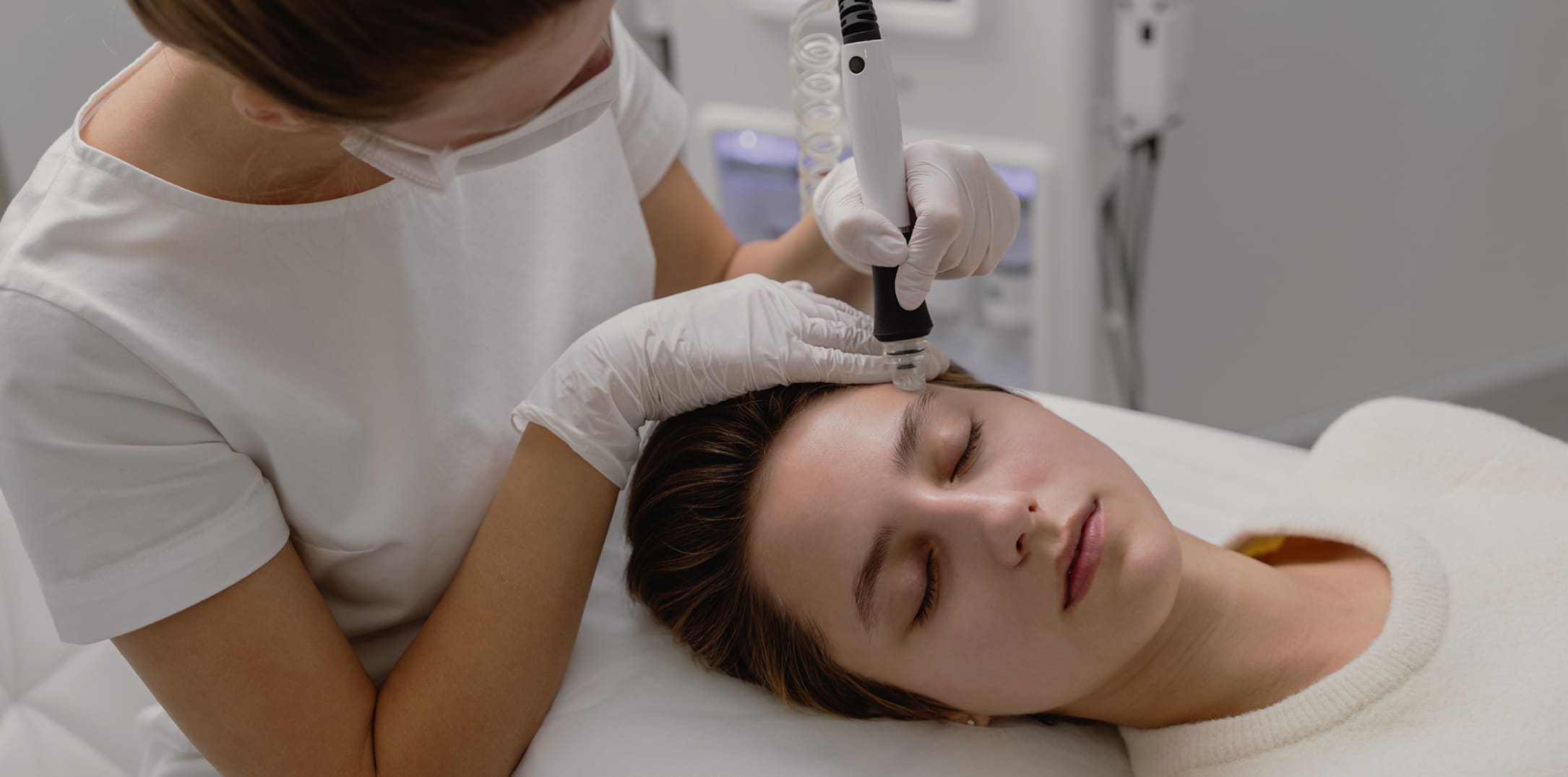
As we age, wrinkles and fine lines become more prominent, often making us look older than we feel. Several types of treatment aim to soften these signs of ageing. Please note that iQonic Aesthetics is a surgical clinic and does not offer anti-wrinkle injections or dermal fillers. In this article, we give an overview of common wrinkle treatments, including prescription-only botulinum toxin injections, dermal fillers and laser therapy, and the questions to ask a practitioner.
Botulinum toxin injections (prescription-only medicine)
What it is: Botulinum toxin is a prescription-only medicine that temporarily relaxes the muscles responsible for creating dynamic wrinkles—those lines that form due to repetitive facial expressions like frowning, squinting, or smiling. Common areas treated include the forehead, crow’s feet (around the eyes), and frown lines between the eyebrows.
How it works: Botulinum toxin works by blocking nerve signals to the targeted muscles, preventing them from contracting and thus smoothing out the overlying skin. The effects usually last 3–6 months, after which the treatment can be repeated to maintain the results.
Points to know:
- It is used for dynamic wrinkles, such as forehead lines, crow’s feet and frown lines.
- It must be prescribed after a face-to-face assessment by a qualified prescriber.
- Results are temporary and treatment has to be repeated.
Dermal fillers: adding volume and smoothing lines
What it is: Dermal fillers are injectable treatments designed to restore volume, smooth out deeper wrinkles, and enhance facial contours. Unlike botulinum toxin, which addresses dynamic wrinkles, fillers are often used for static wrinkles—lines and folds that are present even when your face is at rest. Common areas treated with fillers include the cheeks, nasolabial folds (lines running from the nose to the mouth), and lips.
How it works: Fillers are made from substances like hyaluronic acid (HA), which is naturally found in the skin and helps retain moisture and plumpness. When injected into targeted areas, fillers add volume beneath the skin, reducing the appearance of wrinkles and enhancing facial contours. The results can last anywhere from 6 months to 2 years, depending on the type of filler used.
May suit:
- Individuals with static wrinkles, such as nasolabial folds, marionette lines, and hollow cheeks.
- Those looking to enhance facial contours or add volume to the lips.
- Patients seeking longer-lasting results than botulinum toxin.
Laser therapy: rejuvenating skin from the inside out
What it is: Laser therapy uses focused light energy to target wrinkles, fine lines, and other skin imperfections; treatments range from gentler non-ablative lasers to more intensive ablative resurfacing. It works by stimulating the production of collagen, the protein responsible for keeping skin firm and elastic. Laser therapy can be used on various areas of the face and can be effective for wrinkles caused by sun damage and ageing.
How it works: During laser therapy, the laser penetrates the skin’s surface to target the underlying layers. This triggers the body’s natural healing response, promoting collagen production and gradually improving the skin’s texture and appearance. Several sessions may be needed, and how long results last depends on sun protection and skincare afterwards.
May suit:
- Individuals with sun-damaged skin or fine lines across the face.
- Those looking for a treatment that improves overall skin texture and tone.
- Patients seeking a comprehensive approach to skin rejuvenation.
Questions to ask a practitioner
- Are you medically qualified, and who will prescribe any prescription-only medicine?
- Which product will you use, and why?
- What are the risks, and how would you manage a complication?
- How long are results likely to last, and what follow-up is included?
Wrinkle treatments offer a range of options, each with its own benefits, risks and limitations. Whichever option you consider, choose an experienced, medically qualified practitioner and make sure you understand the risks. A qualified practitioner can advise which option, if any, is suitable for you.
If you’re considering wrinkle treatment, make sure any prescription-only medicine is prescribed after a face-to-face consultation with a qualified prescriber.
This article is general informationIt does not replace a consultation. Suitability, risks and recovery are specific to you and are discussed with your surgeon. For full, referenced information see our treatments page.