


Lower body lift surgery is a major procedure designed to remove excess skin and fat from the lower abdomen, thighs, buttocks, and hips, particularly for individuals who have experienced significant weight loss. While the results can be substantial, it’s important to fully understand both the potential risks and rewards before making a decision. In this article, we’ll take a balanced look at the benefits of a lower body lift, as well as the possible risks involved, to help you make an informed choice.
The rewards of lower body lift surgery
Lower body lift surgery offers a variety of physical and emotional benefits that can improve a patient’s quality of life. The procedure addresses loose, sagging skin, improves body contour, and enhances confidence.
Body contouring
One of the most significant rewards of a lower body lift is the improvement in body shape and contour. The procedure removes excess skin and fat from multiple areas, resulting in a smoother, tighter, and more toned appearance. It’s especially beneficial for those who have undergone massive weight loss, as the surgery can provide a more proportional body by addressing the areas most affected by skin laxity.
Improved comfort and mobility
Loose skin can cause discomfort, irritation, and even limit mobility. A lower body lift removes this excess skin, reducing chafing and making everyday activities such as walking, exercising and finding clothes that fit easier for many patients.
Body image
For many patients, the emotional rewards of a lower body lift are just as important as the physical ones. A more toned and sculpted figure may improve how some patients feel about their appearance. Many patients report feeling more comfortable in fitted clothing, swimwear, and overall daily life after the surgery.
Long-lasting results
With proper post-surgery care and maintenance, the results of a lower body lift can be long-lasting. While the procedure doesn’t prevent future weight gain, maintaining a stable weight and healthy lifestyle can preserve the effects for many years, allowing patients to enjoy the rewards of their surgery over the long term.
The risks of lower body lift surgery
Like any major surgery, a lower body lift carries certain risks. It’s important to be aware of these potential risks so that you can make a well-informed decision.
Scarring
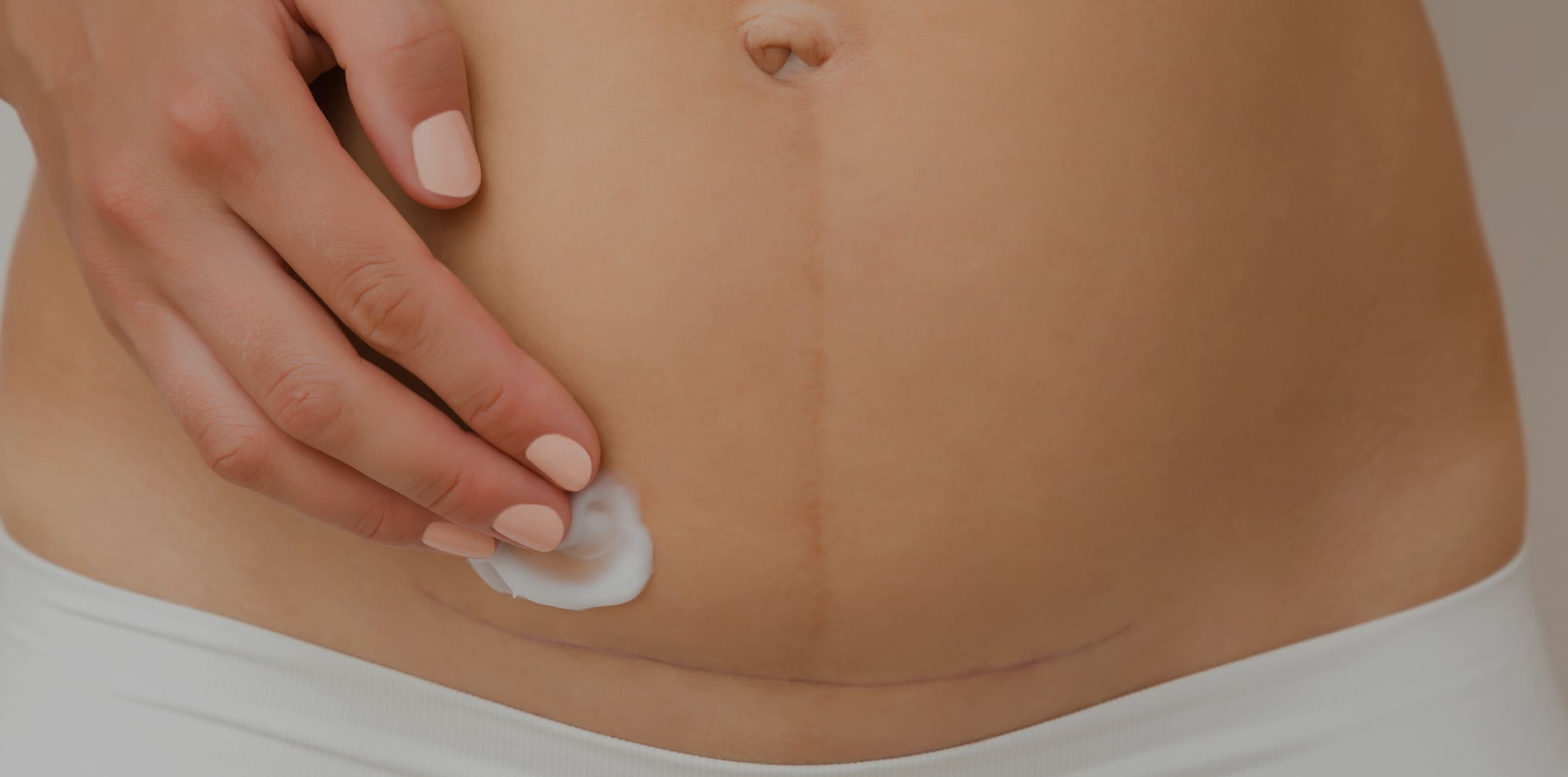
Scarring is an inevitable part of any body contouring surgery, and lower body lift procedures involve longer incisions, which can lead to visible scars. However, at iQonic, our surgeons take great care to place incisions where underwear or swimwear can usually cover them, although the scar typically runs around the hips and lower back. Over time, scars usually fade, but it’s essential to be prepared for this aspect of the procedure.
Extended recovery time
Lower body lift surgery is a more extensive procedure compared to other body contouring treatments, meaning the recovery time can be longer. Patients should expect around 2–3 weeks of downtime before resuming light activities, with full recovery often taking three months or longer. During this time, it’s essential to follow post-operative care instructions carefully to avoid complications.
Potential complications
As with any surgery, lower body lift surgery comes with potential risks, including infection, bleeding, seroma (fluid collection), wound breakdown, blood clots, and changes in skin sensation. At iQonic, patient safety is our top priority. We conduct thorough pre-surgery evaluations to ensure that candidates are in good health and follow strict safety protocols during and after the procedure to minimise risks.
Temporary discomfort
It’s normal to experience temporary discomfort, swelling, and bruising in the days following surgery. While this discomfort subsides within a few weeks, patients should be prepared for an initial period of recovery that may involve limited mobility and the need for support in daily activities.
Balancing risks and rewards: is a lower body lift right for you?
While the potential risks of lower body lift surgery are important to consider, many patients feel the benefits are worth the recovery, particularly when the operation is performed by an experienced surgeon. The key to achieving successful results is ensuring you are a suitable candidate for the procedure and that you understand what to expect before, during, and after surgery.
Who may be suitable
You may be suitable for a lower body lift if you:
- Have experienced significant weight loss and are left with loose, sagging skin in the lower body.
- Are in good overall health with no medical conditions that could impair healing.
- Have realistic expectations about the outcome of the surgery and are committed to maintaining a stable weight post-surgery.
- Are prepared for the recovery process and follow post-operative care instructions closely.
At iQonic, lower body lift surgery is performed by our consultant plastic surgeons. The Silhouette™ pre-consultation questionnaire and a thorough consultation help your surgeon decide whether the procedure suits your goals and health.
Lower body lift surgery can give a substantial change in shape and may improve comfort and confidence. However, like all surgical procedures, it comes with certain risks that should be carefully considered. By understanding both the rewards and potential complications, you can make an informed decision about whether this procedure is right for you.
If you’re considering lower body lift surgery and want to discuss the risks and rewards in more detail, contact us at iQonic to schedule a consultation. Our team of experts is here to guide you through every step of your journey.
This article is general informationIt does not replace a consultation. Suitability, risks and recovery are specific to you and are discussed with your surgeon. For full, referenced information see our lower body lift treatment page.