Brachioplasty can give more defined arms by removing excess skin and fat. However, maintaining those results after recovery requires commitment to a healthy lifestyle, including a tailored exercise routine. At iQonic, we want to help you preserve your brachioplasty results for years to come. In this article, we’ll provide advice on how to incorporate exercise into your routine after recovery to keep your arms looking sculpted and toned.
Start slowly: give your arms time to heal
Before diving into any exercise routine, it’s important to remember that your body needs time to heal properly after brachioplasty. During the first 4–6 weeks following surgery, your focus should be on recovery rather than exercise. You’ll be advised to avoid any upper body exercises or strenuous activities that could strain your arms during the healing process. Always follow your surgeon’s specific guidelines for when it’s safe to begin exercising again.
Light activity in the first weeks
- Walking: Gentle walking is encouraged as soon as you feel comfortable, as it promotes circulation and aids in recovery without putting strain on your arms.
- Lower body exercises: While you should avoid upper body movements, you can start incorporating lower body exercises such as leg lifts or light squats to stay active.
Gradually reintroduce upper body exercises
Once you receive clearance from your surgeon, around the 6-week mark, you can begin reintroducing light upper body exercises. Start slowly and avoid high-intensity workouts at first to prevent overexertion. Focus on regaining mobility and strength in your arms by incorporating gentle movements that gradually build muscle tone.
Suggested exercises
- Arm circles: A simple but effective exercise to get your arms moving without too much strain. Start with small circles and gradually increase the size as your arms get stronger.
- Light resistance band exercises: Resistance bands are a great way to ease back into arm exercises without overloading your muscles. Start with minimal resistance and slowly increase the intensity as your arms gain strength.
- Wall push-ups: Wall push-ups are a low-impact way to start building strength in your arms and shoulders without putting too much pressure on the incisions.
Build a strength training routine for long-term results
After about 8–12 weeks, and once your surgeon agrees, your arms should be sufficiently healed to incorporate more challenging exercises into your routine. Strength training is particularly beneficial for maintaining the toned appearance of your arms, as it helps to build lean muscle mass. By focusing on the muscles in your upper arms, shoulders, and back, you can create a balanced, sculpted look.
Effective strength training exercises for arm toning
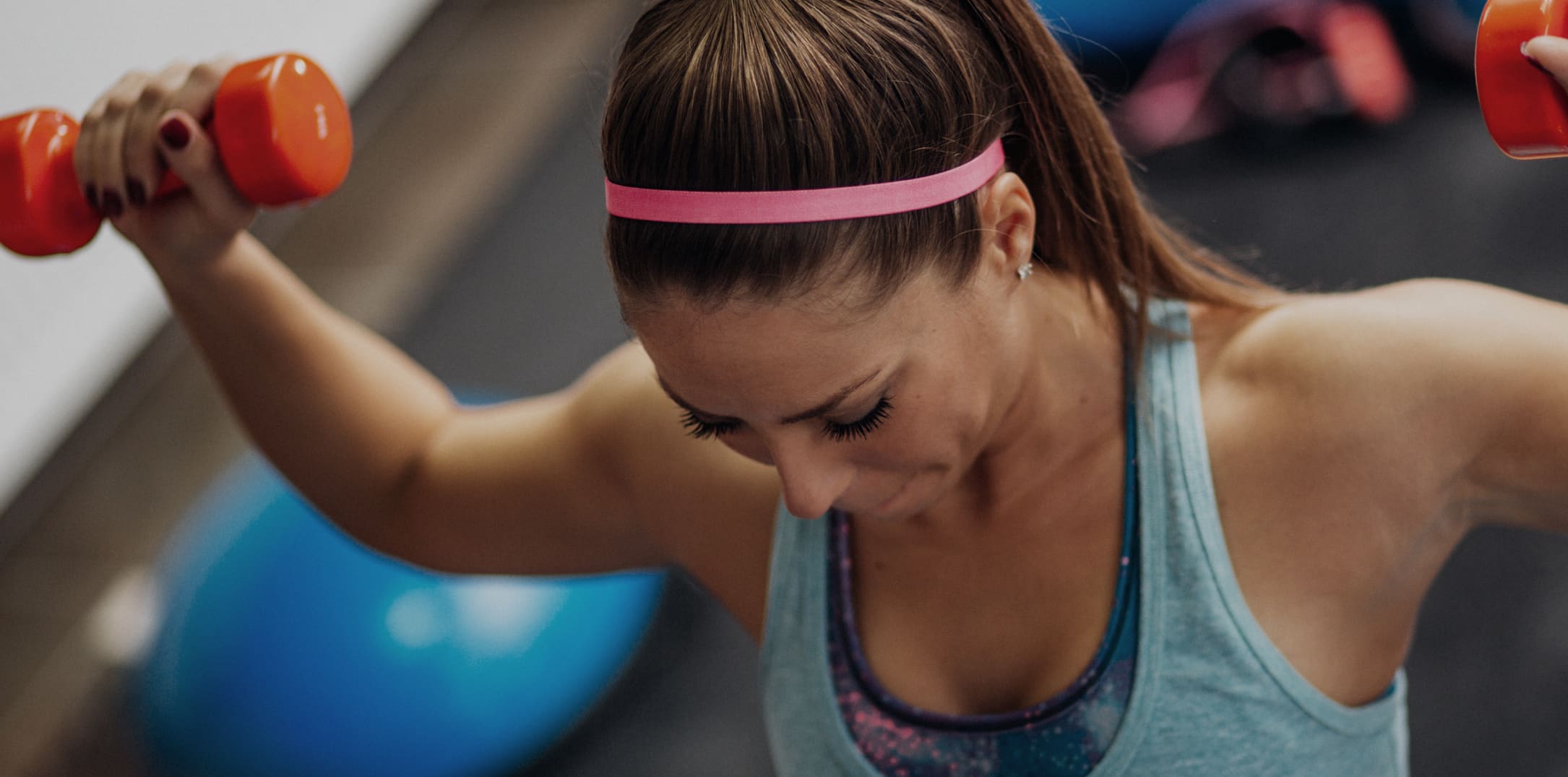
- Bicep curls: Using light dumbbells, perform controlled bicep curls to tone the front of your upper arms. Start with lower weights and gradually increase as your strength improves.
- Tricep dips: Tricep dips are excellent for targeting the back of the arms. You can start by using a sturdy chair or bench, making sure to keep the movements controlled and smooth.
- Lateral raises: This exercise targets the shoulders and helps sculpt the arms. Use light dumbbells or resistance bands to perform lateral raises, lifting your arms to the sides at shoulder height.
Include cardiovascular exercise for overall fitness
While strength training is key for toning your arms, combining it with cardiovascular exercise will help maintain overall fitness and prevent weight gain, which can impact your arm contour. Cardio exercises burn calories, boost metabolism, and improve circulation, contributing to the long-term success of your brachioplasty results.
Recommended cardio activities
- Swimming: Swimming is a great full-body workout that’s gentle on the joints and works the arms and upper body.
- Running or jogging: Incorporating regular cardio sessions, such as running, jogging, or brisk walking, can help keep your body in shape while supporting your arm-toning efforts.
- Cycling: If you’re looking for a low-impact cardio option, cycling is a good way to stay active without putting too much pressure on your upper body.
Maintain a healthy diet to support your fitness goals
In addition to regular exercise, maintaining a healthy diet plays a key role in preserving your brachioplasty results. A balanced diet rich in lean protein, healthy fats, and nutrient-dense vegetables will help support muscle repair and growth while preventing weight fluctuations that could affect your results.
Diet tips to support your exercise routine
- Prioritise protein: Protein is essential for muscle repair and growth. Include lean meats, fish, eggs, and plant-based protein sources in your diet to support your workouts.
- Stay hydrated: Drinking plenty of water is crucial for overall health, especially when engaging in regular physical activity.
- Monitor your calorie intake: While exercise is important, managing your calorie intake ensures that you maintain a stable weight, which is key to preserving your toned arms.
Be consistent for long-lasting results
Consistency is the key to maintaining your brachioplasty results. Aim for a balanced exercise routine that includes both strength training and cardio workouts, ensuring you stay active and healthy in the long term. Incorporate exercises that you enjoy and can commit to regularly, as this will increase the likelihood of sticking with your fitness routine.
Brachioplasty can help achieve more toned, contoured arms, but maintaining those results requires dedication to a healthy lifestyle and consistent exercise. By gradually reintroducing upper body workouts, focusing on strength training, and combining it with cardiovascular activities, you can preserve the toned appearance of your arms for years to come.
At iQonic, we are dedicated to supporting you throughout your brachioplasty journey, from surgery to recovery and beyond. If you’re considering brachioplasty or want further advice on maintaining your results, contact us to schedule a consultation.
This article is general informationIt does not replace a consultation. Suitability, risks and recovery are specific to you and are discussed with your surgeon. For full, referenced information see our arm lift treatment page.