

Brachioplasty can reshape the upper arms by removing excess skin and fat. While the surgery can give a good result, wearing compression garments during recovery helps support those results. At iQonic, we prioritise post-operative care to support good outcomes for our patients, and compression garments play a big role in this process. In this article, we’ll explain why compression garments matter after brachioplasty and how they support healing and enhance the final results.
Better healing
One of the primary reasons compression garments are recommended after brachioplasty is their ability to support the healing process. Following surgery, your body needs time to recover from incisions, swelling, and changes to the arm tissue. Compression garments help by providing gentle, consistent pressure to the treatment area, which aids in the natural healing process.
Key benefits for healing
- Reduced swelling: After surgery, swelling is a common part of recovery. Compression garments help to control and minimise swelling by encouraging lymphatic drainage, allowing excess fluids to move away from the surgical area more efficiently.
- Improved circulation: Good circulation is essential for healing as it delivers oxygen and nutrients to the surgical site. Compression garments may support blood flow in the treated area.
- Protection of incisions: Compression garments hold dressings in place over the surgical site and help stabilise the tissue, allowing incisions to heal without disruption.
Shaping and contouring your arms
Wearing compression garments after brachioplasty not only aids healing but also helps ensure that your arms heal in a smooth and contoured shape. Without compression, the skin and underlying tissue may shift during recovery, leading to uneven or less defined results.
How compression garments shape your arms
- Supports tissue reattachment: After brachioplasty, the skin and underlying tissue need to reattach and settle into their new position. Compression garments keep the skin in place, helping the tissue settle smoothly.
- Enhances contouring: Compression garments help maintain the newly contoured shape of your arms by applying even pressure across the surgical area. This helps the skin conform to the new arm structure, enhancing the overall appearance and tone of your arms.
Lower risk of some complications
Post-surgical complications such as fluid build-up, known as seroma, or the formation of blood clots can sometimes occur after brachioplasty. Wearing compression garments as advised may reduce the likelihood of some of these complications.
How compression garments may reduce complications
- Fluid build-up: Seromas occur when fluid accumulates under the skin, often in the spaces left after fat and skin are removed. Compression garments help minimise this risk by encouraging fluid to drain naturally through the lymphatic system, which may reduce the risk of pockets of fluid forming.
- Blood clots: Arm garments are not a substitute for the measures your team uses to reduce the risk of blood clots, such as early walking and, where needed, leg stockings or medication.
A more comfortable recovery
While the idea of wearing a compression garment might seem uncomfortable, it actually improves comfort during recovery. Compression garments are designed to provide support and stability, which can help alleviate post-surgical discomfort and make the healing process more manageable.
Benefits for comfort
- Reduces pain: By stabilising the surgical area, compression garments can reduce movement-related pain. They help keep your arms secure and supported, which minimises discomfort during daily activities.
- Controls bruising: Compression helps reduce post-surgery bruising by limiting the movement of blood under the skin, which may help bruises fade.
How long should you wear compression garments?
The amount of time you’ll need to wear compression garments after brachioplasty varies depending on the specifics of your surgery and your body’s healing process. At iQonic, we provide personalised guidance for each patient to ensure you’re following the right protocol for optimal healing and results.
General timeline
- First 2–4 weeks: Compression garments are worn full-time (24/7) during the first few weeks after surgery, only being removed for short periods like bathing.
- 4–6 weeks: As swelling decreases, your surgeon may advise wearing compression garments for fewer hours each day. However, it’s important to continue wearing them for several weeks to support the healing process and final results.
Choosing the right compression garment
Choosing a high-quality compression garment is key to a successful recovery. At iQonic, we recommend specific garments that are designed to provide the right level of compression without causing discomfort. Your compression garment should fit properly to provide even, consistent pressure while allowing room for any swelling.
What to look for in a compression garment
- Proper fit: The garment should fit snugly without being too tight or restrictive. A well-fitting garment provides uniform compression across the arm, preventing gaps or uneven pressure.
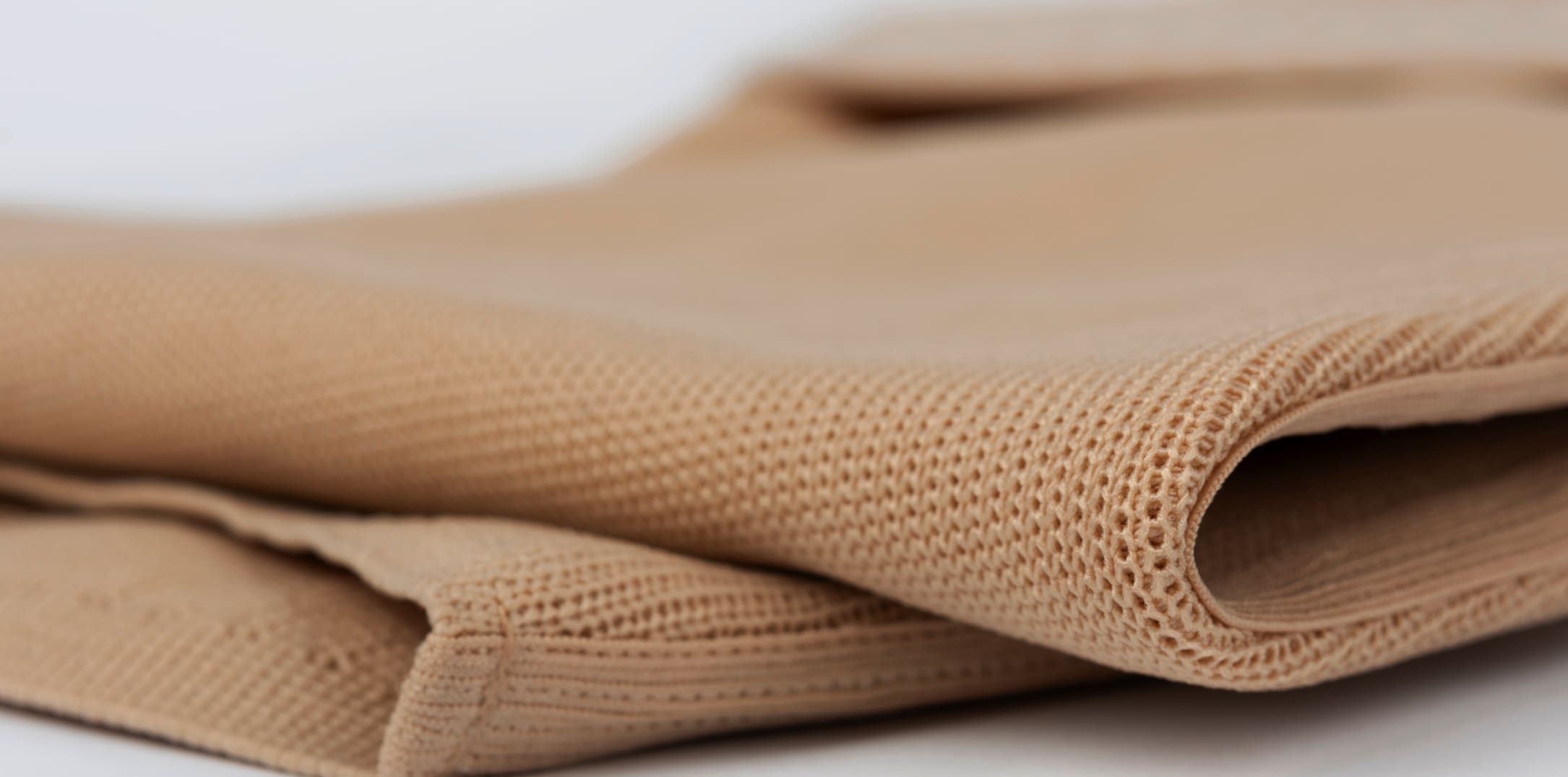
- Breathable fabric: Look for garments made from breathable, moisture-wicking materials to ensure comfort throughout the day.
- Adjustability: Many compression garments feature adjustable closures, allowing you to customise the fit as your swelling reduces.
Wearing compression garments after brachioplasty is an important part of the recovery process. They support healing, help the tissues settle smoothly and may reduce the risk of some complications. At iQonic, we provide expert guidance on wearing and choosing the right compression garments to support a smooth recovery.
If you’re considering brachioplasty or want more information about the role of compression garments in recovery, contact us at iQonic to schedule a consultation.
This article is general informationIt does not replace a consultation. Suitability, risks and recovery are specific to you and are discussed with your surgeon. For full, referenced information see our arm lift treatment page.