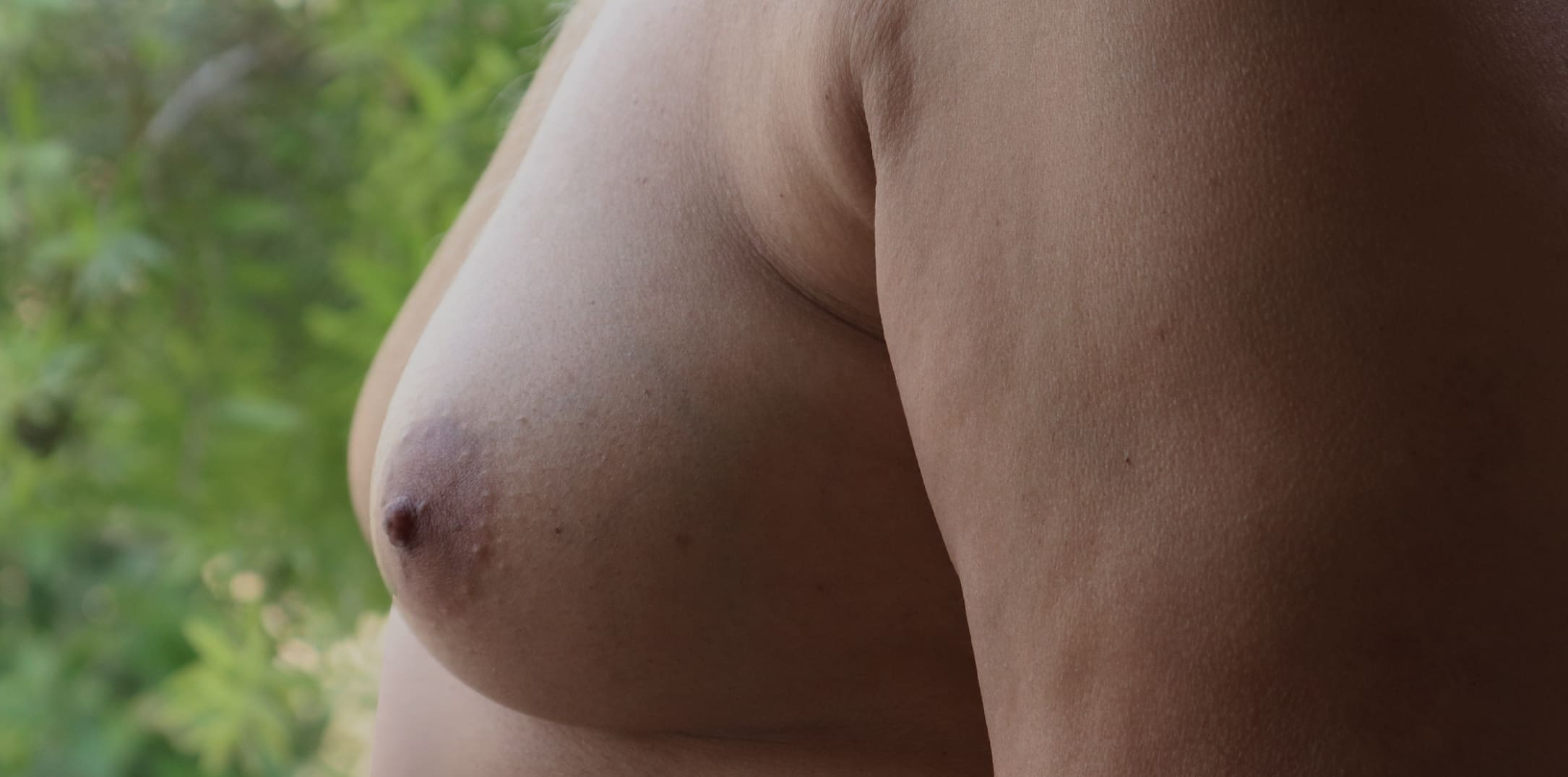


Enlarged male breasts can be a source of discomfort and self-consciousness for many men. However, not all cases of male breast enlargement are the same. Gynaecomastia and pseudogynaecomastia are two conditions that can cause similar physical appearances but have different underlying causes and treatment options. At iQonic, we aim to help you understand these conditions, so you can make informed decisions about your health and well-being.
What is gynaecomastia?
Gynaecomastia is the enlargement of male breast tissue caused by an imbalance between the hormones oestrogen and testosterone. Oestrogen, which promotes the growth of breast tissue, is present in small amounts in men. However, when oestrogen levels become too high relative to testosterone, it can lead to the development of excess glandular tissue in the breasts, resulting in gynaecomastia.
What is pseudogynaecomastia?
Pseudogynaecomastia, on the other hand, is not caused by glandular tissue growth but by the accumulation of fat in the breast area. This condition is more common in overweight or obese men, as excess body fat can be deposited in various areas of the body, including the chest.
How to tell the difference between gynaecomastia and pseudogynaecomastia
While both conditions can result in the appearance of enlarged breasts, there are some differences that can help you determine whether you’re dealing with gynaecomastia or pseudogynaecomastia:
- Tissue composition: Gynaecomastia involves the growth of glandular tissue, which feels firm and rubbery to the touch. Pseudogynaecomastia is caused by fat accumulation, which feels softer and less dense.
- Tenderness: Gynaecomastia may cause tenderness or sensitivity in the breast area, while pseudogynaecomastia typically does not.
- Underlying causes: Gynaecomastia is often related to hormonal imbalances, certain medications, or health conditions. Pseudogynaecomastia is primarily caused by weight gain and fat accumulation.
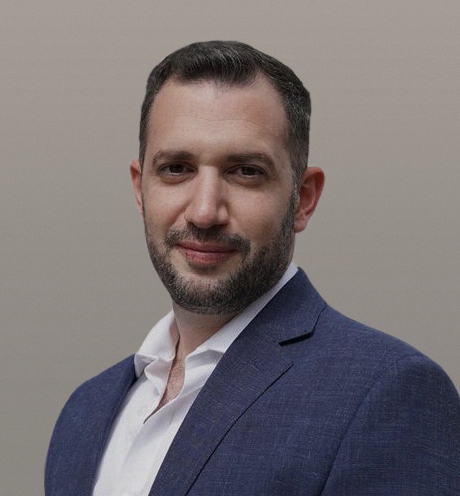
A professional evaluation is the best way to determine whether you have gynaecomastia or pseudogynaecomastia. At iQonic, consultant plastic surgeon Dr Ali Arnaout can examine you and arrange imaging if needed to help confirm the diagnosis.
Treatment options for gynaecomastia
The treatment for gynaecomastia often depends on the underlying cause and the severity of the condition:
- Hormone therapy: If gynaecomastia is caused by a hormonal imbalance, hormone therapy may be recommended to restore the balance between oestrogen and testosterone.
- Medication adjustment: If your gynaecomastia is a side effect of a medication, your doctor may suggest an alternative treatment or adjust the dosage to alleviate the condition.
- Surgery: In cases where gynaecomastia does not resolve on its own or causes significant discomfort or distress, surgical intervention may be an option to consider. Gynaecomastia surgery, also known as male breast reduction, involves the removal of excess glandular tissue and fat to create a flatter, more masculine chest contour.
Treatment options for pseudogynaecomastia
Since pseudogynaecomastia is caused by fat accumulation, treatment typically focuses on reducing overall body fat:
- Diet and exercise: Adopting a healthy diet and regular exercise routine can help reduce overall body fat, including in the chest area. Cardiovascular exercises, strength training, and a balanced diet rich in whole foods can be effective strategies.
- Liposuction: For men who have stubborn fat deposits in the chest area that don’t respond to diet and exercise, liposuction may be an option. This surgical procedure removes excess fat through small incisions, aiming for a more contoured chest.
At iQonic, we offer personalised consultations to help you understand your condition and explore suitable treatment options. If you’re concerned about enlarged male breasts and want to learn more about how we can help, contact us to schedule a consultation. Our team is here to support you from consultation through to recovery.
This article is general informationIt does not replace a consultation. Suitability, risks and recovery are specific to you and are discussed with your surgeon. For full, referenced information see our gynaecomastia surgery treatment page.