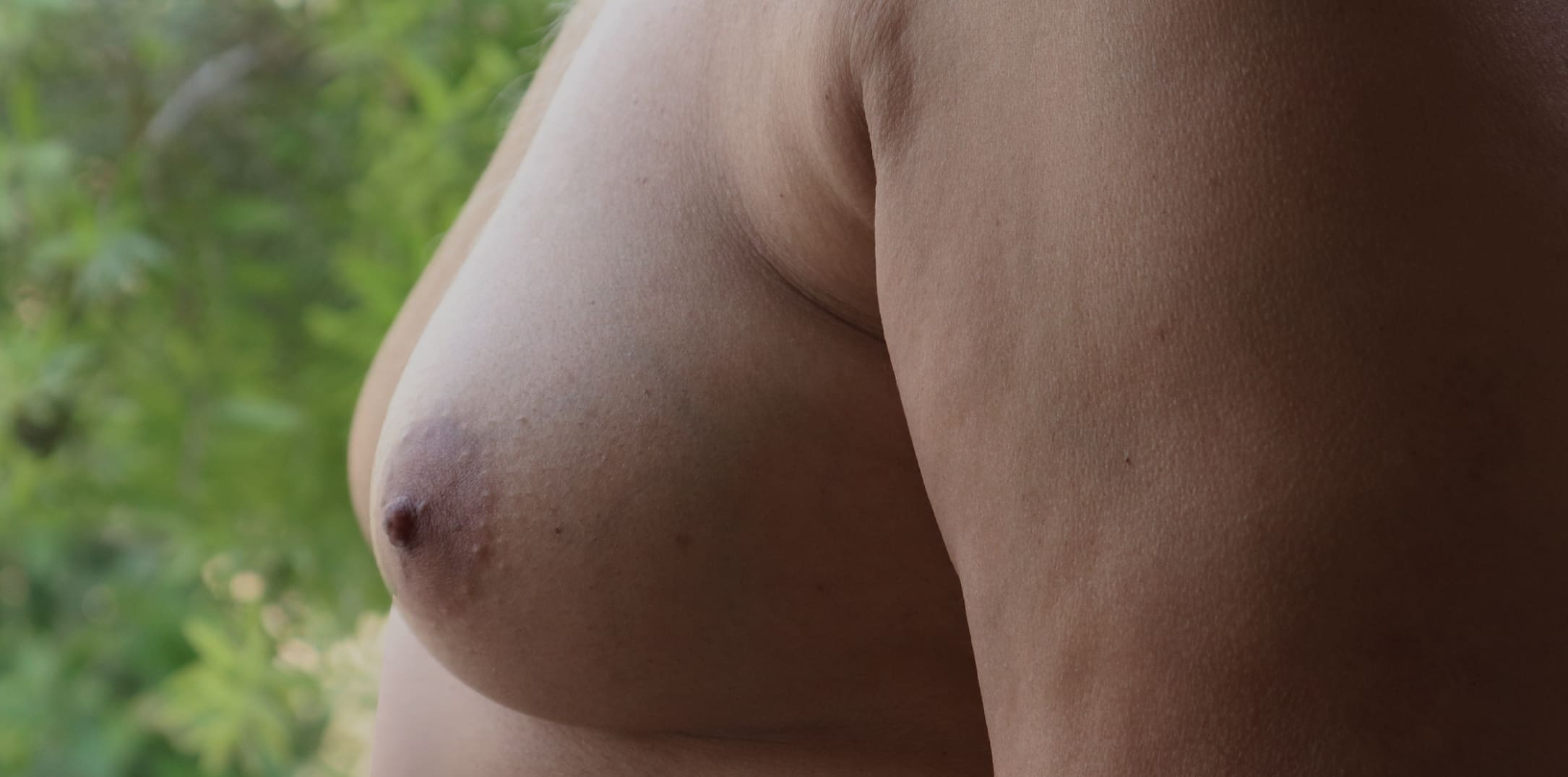



The emotional and psychological impact of gynaecomastia can be significant. Men who experience this condition may struggle with feelings of embarrassment, anxiety, and low self-esteem, which can affect various aspects of their lives, including social interactions, relationships, and overall mental well-being. At iQonic, we understand the impact gynaecomastia can have on your confidence, and we’re here to discuss how corrective surgery may help, and what it cannot change.
The emotional and psychological effects of gynaecomastia
Living with gynaecomastia can lead to a range of emotional and psychological challenges. Many men feel self-conscious about their appearance, particularly in situations where they may be shirtless, such as at the beach or during sports activities. This self-consciousness can lead to:
- Social anxiety: Men with gynaecomastia often avoid social situations that may expose their chest, such as swimming, working out at the gym, or intimate encounters. This avoidance can contribute to feelings of isolation and anxiety, as well as limit opportunities for social engagement.
- Body image issues: Gynaecomastia can severely impact a man’s body image. The condition may lead to feelings of inadequacy or shame about one’s body, which can affect overall self-worth and confidence. In some cases, men may develop negative coping mechanisms, such as wearing multiple layers of clothing to hide their chest or avoiding mirrors altogether.
- Depression: The psychological strain of living with gynaecomastia can contribute to depression, particularly if the condition leads to persistent negative thoughts and low self-esteem. Men who struggle with gynaecomastia may experience feelings of hopelessness or frustration, especially if they believe there is no solution to their condition. If you are experiencing low mood, speak to your GP, as support is available whether or not you choose surgery.
- Impact on relationships: Gynaecomastia can also affect personal relationships. Men may feel uncomfortable or anxious about intimate situations, leading to difficulties in romantic relationships. Additionally, the emotional toll of the condition can strain friendships and family relationships if a man feels unable to share his struggles with those close to him.
How corrective surgery may help
For some men, gynaecomastia surgery can help them feel more comfortable with their bodies. Corrective surgery involves the removal of excess breast tissue and fat, resulting in a flatter, more masculine chest contour. Here’s how surgery can make a positive impact:
- Comfort in everyday life: Men who undergo the procedure often feel more comfortable in their bodies and are more willing to engage in activities they previously avoided. The ability to wear fitted clothing, swim without a shirt, and participate in sports without feeling self-conscious can make everyday life feel easier.
- Improved body image: Gynaecomastia surgery aims to create a flatter, more masculine chest, aligning a man’s physical appearance with his self-image. Some men find this improves how they feel about their bodies.
- Social settings: Some men feel more at ease in situations they previously avoided, such as swimming or using changing rooms.
- Relationships: Some men say they feel less self-conscious in intimate situations after surgery, although experiences vary.
Surgery changes the shape of the chest, but it is not a treatment for anxiety or depression. Your surgeon will talk through your expectations and, where appropriate, suggest additional support.
At iQonic, gynaecomastia surgery is carried out by consultant plastic surgeon Dr Ali Arnaout. If you’re considering gynaecomastia surgery and want to learn more about whether it is right for you, contact us to schedule a consultation. Your surgeon will discuss the benefits, risks and limitations with you.
This article is general informationIt does not replace a consultation. Suitability, risks and recovery are specific to you and are discussed with your surgeon. For full, referenced information see our gynaecomastia surgery treatment page.