

After undergoing a facelift, many patients are eager to return to their regular routines, including flying, exercising, and other daily activities. However, it’s crucial to follow your surgeon’s guidelines to ensure a smooth recovery and optimal results. In this blog, we’ll provide detailed timelines and precautions for resuming various activities post-facelift. With expert advice, you can confidently navigate your recovery period and gradually get back to your normal life while minimizing complications.
Initial Recovery Period
First 1-2 Weeks: It’s generally advised to avoid flying for the first one to two weeks after your facelift. During this period, your body is in the initial stages of healing, and changes in cabin pressure can potentially increase swelling and discomfort.
Precautions for Travel
Early Stages of Recovery
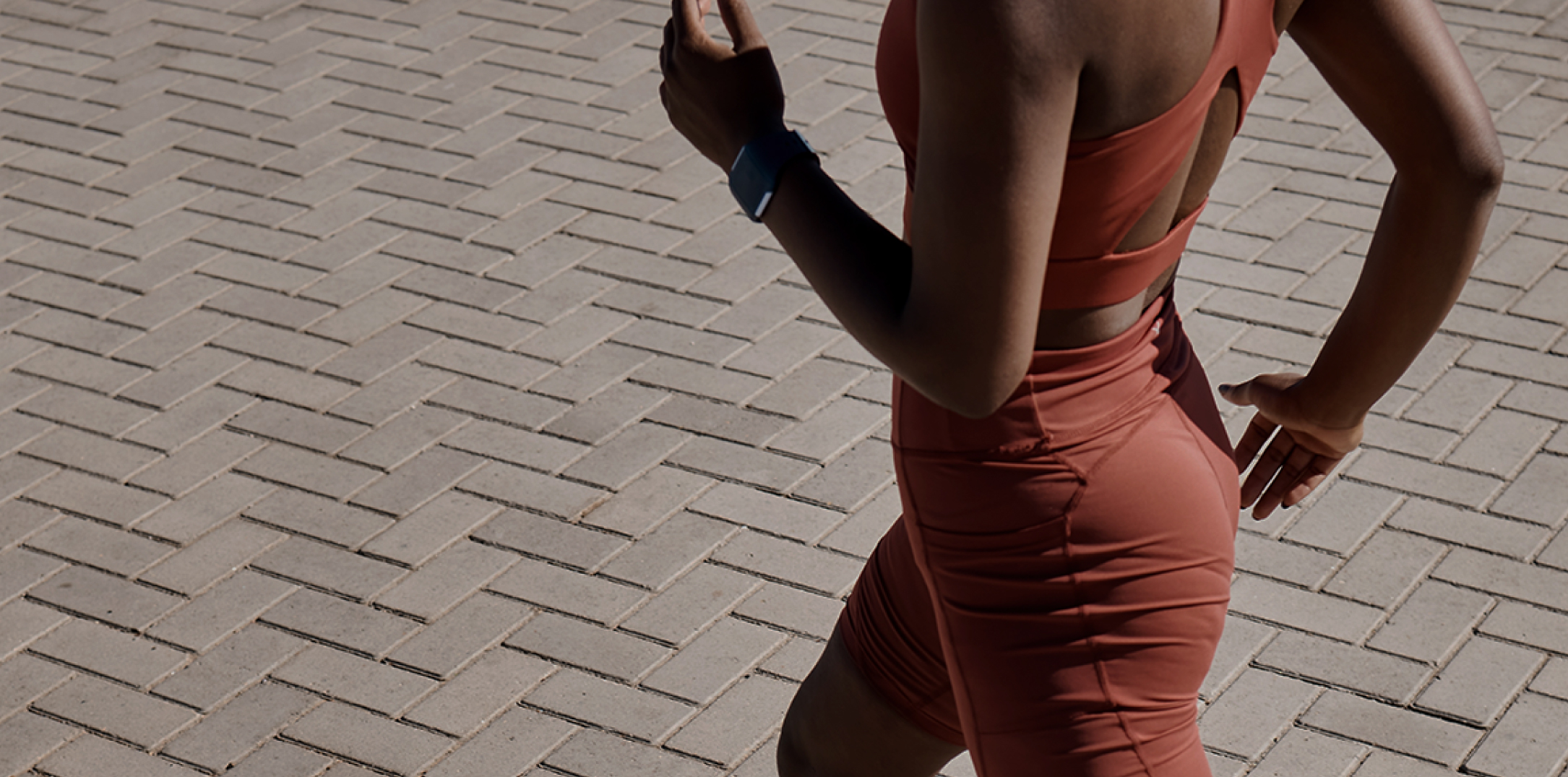
First 2 Weeks: Strenuous activities and exercise should be avoided for at least the first two weeks post-surgery. This includes any activity that raises your heart rate or blood pressure significantly, such as running, weightlifting, or high-intensity interval training (HIIT).
Weeks 3-4: Light activities, such as gentle walks, may be gradually introduced. However, avoid any vigorous exercises that could increase blood pressure and potentially cause complications.
After 4-6 Weeks: Most patients can begin to resume more strenuous exercise regimes after 4-6 weeks, subject to their surgeon’s approval. Always listen to your body and consult with your surgeon before resuming high-intensity workouts.
Tips for Exercising After Surgery
Recovery Timeline
First Week: Most patients take the first week off work to rest and recover. During this time, focus on rest and follow your surgeon’s post-operative care instructions.
One to Two Weeks: Many patients with desk jobs or light duties can return to work within one to two weeks. However, jobs that require physical labour may necessitate a longer recovery period.
Tips for Returning to Work
When to Resume Socializing
Initial Days: In the first few days after surgery, it’s best to stay at home and avoid social gatherings. Your face may be swollen and bruised, which can make you feel self-conscious.
One to Two Weeks: By this point, you may feel more comfortable attending low-key social events, especially if your swelling and bruising have improved. Makeup can help conceal remaining bruises.
After 2 Weeks: Most patients feel comfortable resuming most social activities after two weeks, though high-stress or high-energy events should be approached with caution.
Recovering from a facelift requires patience and adherence to your surgeon’s guidance. By following these timelines and precautions, you can ensure a smooth recovery and enjoy the full benefits of your procedure. Remember, each patient’s recovery is unique, so it’s important to tailor your recovery plan to your individual needs and medical advice.
For specific advice and personalised recovery plans, contact iQonic Aesthetics. Our expert team is here to support you every step of the way.