


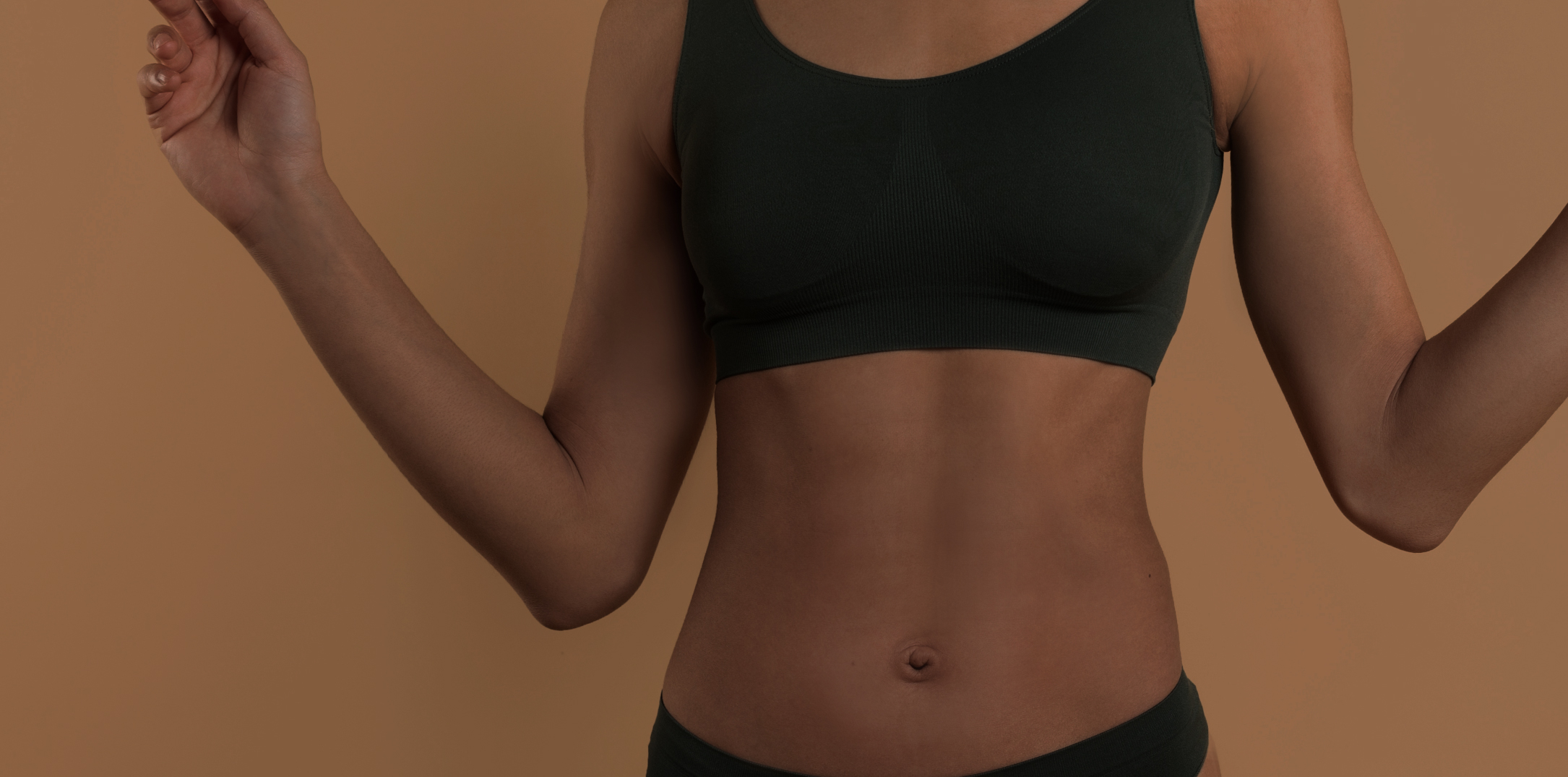
Undergoing a tummy tuck (abdominoplasty) is a significant step towards achieving a flatter, more toned abdomen. Good post-operative care helps your recovery go smoothly. This guide provides practical tips and advice on what to expect during the recovery process, how to manage pain, care for incisions, and gradually resume daily activities. With the right preparation, you can make your recovery more comfortable.
Immediate post-operative care
Managing pain and discomfort
- Pain medication: Your surgeon will prescribe pain medications to help manage discomfort during the initial days following your surgery. Take these medications as directed to stay ahead of the pain.
- Compression garments: Wearing compression garments helps reduce swelling, support the healing tissues, and improve blood circulation. These should be worn as recommended by your surgeon, usually for about six weeks post-surgery.
- Drains: If drains are placed, they are usually removed within the first week, and your nurse will show you how to manage them at home.
Incision care
- Keeping incisions clean and dry: Good care of your incisions helps prevent infection and supports healing. Follow your surgeon’s instructions on how to clean and dress your incisions.
- Monitoring for signs of infection: Watch for signs of infection, such as increased redness, swelling, or discharge from the incision sites. If you notice any of these signs, contact your surgeon immediately.
- Warning signs: Contact your surgical team urgently about heavy bleeding, sudden swelling or firmness on one side, or a high temperature. If you have chest pain, sudden breathlessness or a painful swollen calf, call 999.
The first few weeks
Rest and activity
- Adequate rest: Ensure you get plenty of rest in the initial days after your surgery. Avoid any strenuous activities, including lifting heavy objects and vigorous exercise.
- Gentle movement: Short walks from the first day help circulation and reduce the risk of blood clots. Gradually increase your activity level based on your comfort and surgeon’s advice.
- Posture: For the first week or two, walk slightly bent at the waist and rest with your upper body raised and knees bent, to reduce tension on the healing scar.
Diet and hydration
- Healthy eating: Maintain a balanced diet rich in vitamins and nutrients to support your body’s healing process. Include plenty of fruits, vegetables, lean proteins, and whole grains.
- Stay hydrated: Drink plenty of water to stay hydrated. Proper hydration can help reduce swelling and promote overall health.
Returning to normal activities
Work and daily routines
- Returning to work: Depending on the nature of your job, many people return to desk-based work after about two to four weeks; plan for around four to six weeks or more if your job is physical.
- Daily activities: Gradually resume normal daily activities as your comfort and energy levels improve. Avoid pushing yourself too hard too soon.
Exercise and fitness
- Walking: Walking is encouraged from the first day and can be built up gradually.
- Light exercise: Gentle exercise, such as longer walks or stretching, can usually be added from around four to six weeks.
- Avoid core work and heavy lifting: Avoid sit-ups, core exercises, heavy lifting and high-impact exercise for at least six weeks; after muscle repair, heavier lifting often waits until 8–12 weeks.
Long-term maintenance and results
Healthy lifestyle
- Balanced diet: Continue to follow a balanced diet to maintain your new body contours. Avoid excessive calorie intake and focus on nutrient-dense foods.
- Regular exercise: Incorporate regular exercise into your routine to help maintain your results and promote overall health. Aim for a mix of cardiovascular activities, strength training, and flexibility exercises.
Monitoring your progress
- Stay in touch: Keep in regular contact with your surgeon and schedule any recommended follow-up appointments to monitor your progress and address any long-term concerns.
- Be patient: Remember that final results may take several months to fully materialise as swelling subsides and your body adjusts. Patience is key to appreciating the full benefits of your tummy tuck.
- Future pregnancy: Pregnancy after a tummy tuck can stretch the skin and repaired muscles again, so many people wait until their family is complete.
Tips for a smooth recovery
Follow post-operative instructions
- Adhere to guidelines: Your surgeon will provide specific post-operative instructions tailored to your recovery. Follow these guidelines closely to support a good outcome.
- Medications and scar care: Take prescribed medications as directed, and once your abdominal scar has fully healed, use silicone scar gel or sheeting if your surgeon recommends it.
Listen to your body
- Monitor your progress: Pay attention to your body’s signals and progress. If you experience any unusual symptoms or setbacks, contact your surgeon immediately.
- Gradual resumption: Gradually increase your activity levels based on how you feel and your surgeon’s advice. Avoid rushing back into your normal routine to prevent complications.
Proper post-tummy tuck care is essential for a smooth recovery. By following these guidelines and your surgeon’s instructions, you can help reduce the risk of complications. At iQonic Aesthetics, our dedicated team is here to support you throughout your recovery journey.
If you have any questions or need personalised guidance, contact iQonic Aesthetics. We are committed to supporting you from consultation to recovery.
This article is general informationIt does not replace a consultation. Suitability, risks and recovery are specific to you and are discussed with your surgeon. For full, referenced information see our tummy tuck treatment page.